The escalation of the military conflict between Russia and Ukraine in the Black Sea has posed severe threats to international shipping. As a result of increased attacks on commercial vessels, oil tankers, and port infrastructure, the region has transformed into one of the world’s most dangerous maritime transport routes.
Sea-news.az reports citing Romanian outlet “Economedia” with reference to an investigation by Britain’s “Financial Times”, that this information has been released.
According to the study, more than 570 ships have been attacked in the Black Sea in 2026, claiming the lives of at least 40 seafarers. By comparison, 24 fatalities were recorded in the Strait of Hormuz. Between July and September alone, approximately 387 vessels came under attack.
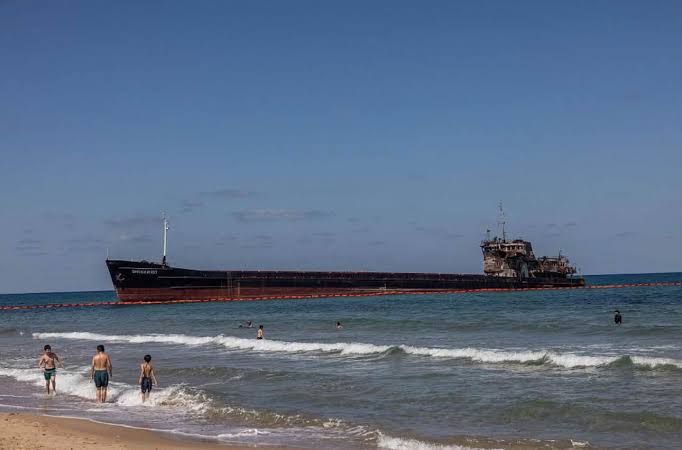
Attacks are primarily carried out using unmanned aerial vehicles, missiles, and uncrewed surface vessels. The damage sustained by several commercial ships near the Romanian coast in October demonstrates that the threats have expanded beyond Ukrainian ports.
Shipping companies are restricting their operations in the region, while insurance costs are soaring. In some instances, war risk insurance premiums are reported to have reached up to 15 percent of a vessel’s value. This, in turn, drives up freight rates and heightens demand for alternative routes.
According to the International Transport Workers’ Federation, crews operating on vessels in these hazardous waters include seafarers from Azerbaijan, Syria, Egypt, and other nations. Alongside the threat of strikes, interference with navigation systems and floating sea mines further complicate their working conditions.
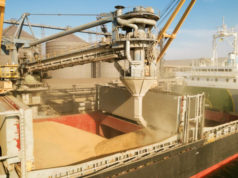
The crisis in the Black Sea is also negatively affecting international food trade. Ukraine’s seaborne agricultural exports dropped to 1.4 million tons in August. Disruptions in port operations, rising transport costs, and a shortage of vessels are hampering grain shipments.
The “Financial Times” investigation emphasizes that the ongoing security crisis in the Black Sea poses grave risks to international trade, energy and food supplies, as well as the safety of seafarers.