The escalation of attacks against commercial vessels in the Black Sea has posed a severe threat to the safety of international maritime transportation. Against the backdrop of the Russia-Ukraine war, the transformation of sea routes into high-risk zones is not only inflating freight rates and disrupting supply chains, but also amplifying the strategic relevance of alternative transport corridors.
What are the negative geopolitical and geoeconomic ramifications of the Black Sea security crisis?
Sea-news.az reports speaking to Oxu.Az on the matter, Roza Bayramli, Senior Advisor at the Center of Analysis of International Relations and Multiculturalism, noted that the intensification of strikes on commercial ships triggers grave concern regarding international seaborne trade security and the resilience of the Eurasian transport and logistics framework:

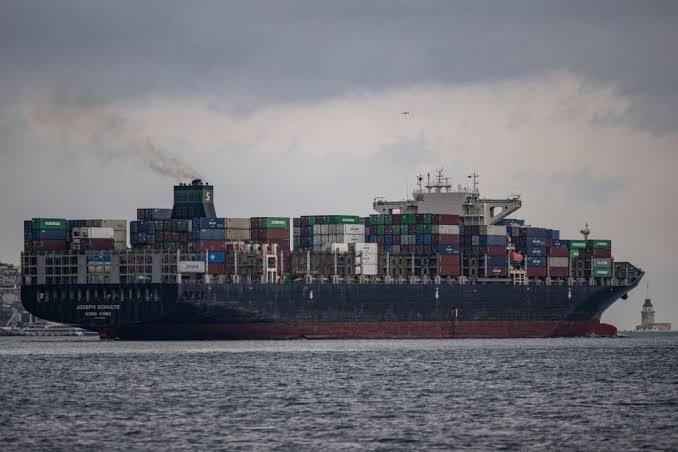
“As a result of the ongoing Russia-Ukraine conflict, the Black Sea is no longer merely an arena of military engagement, but has shifted into a high-risk transport corridor directly undermining the security of global supply chains. According to a report published by the Financial Times on October 25, citing data from maritime security consultancy Ambrey and the International Maritime Organization (IMO), more than 570 vessels have been attacked in the Black Sea since the beginning of 2026, claiming the lives of at least 40 seafarers. By comparison, 24 maritime fatalities were recorded in the Strait of Hormuz and surrounding areas. The fact that nearly 387 ships were targeted in the Black Sea between July and September alone underlines the acute severity of the situation. According to Ambrey’s assessments, approximately 90 percent of attacks on shipping over the past month and a half are attributed to Russian forces. The primary root of the problem stems from Russia’s war against Ukraine and the hazards military operations create for commercial shipping in the Black Sea basin. Concurrently, operations conducted by Ukraine against Russian vessels and naval infrastructure also impact the broader regional security matrix. Thus, the spillover of military actions into maritime space further exacerbates international trade risks.”
“The Black Sea plays a crucial role in transporting grain, energy resources, metallurgical products, and other strategic commodities between Europe and Asia. Consequently, the deterioration of the security environment here impacts not only littoral states, but global trade as a whole. Strikes against ships drive up insurance premiums, elevate freight charges, disrupt port operations, and sever supply chains. In particular, soaring war risk insurance rates and the mounting unpredictability of shipments prompt international logistics operators to seek alternative routes,” the expert emphasized.
According to her, mitigating existing threats requires protecting commercial shipping in strict accordance with international law, halting strikes against merchant vessels and civil port facilities, clearing naval mines, and enhancing security coordination among regional states:
“Expanding maritime security and counter-mine cooperation among Türkiye, Romania, and Bulgaria carries immediate practical significance. Nevertheless, securing long-term stability is directly tied to reaching a political and diplomatic resolution to the conflict. Another critical imperative involves paring back global trade reliance on individual high-risk transit arteries. It is precisely within this context that the strategic relevance of the Trans