Caspian Sea water level decline poses a direct operational bottleneck for Middle Corridor transit, warns ASCO Director Alakbar Azizli
The ongoing fluctuation and regression of the water level in the Caspian Sea has emerged as a significant structural challenge for the Trans-Caspian International Transport Route, known as the Middle Corridor.
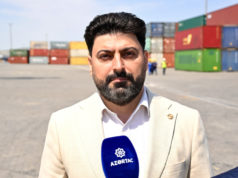
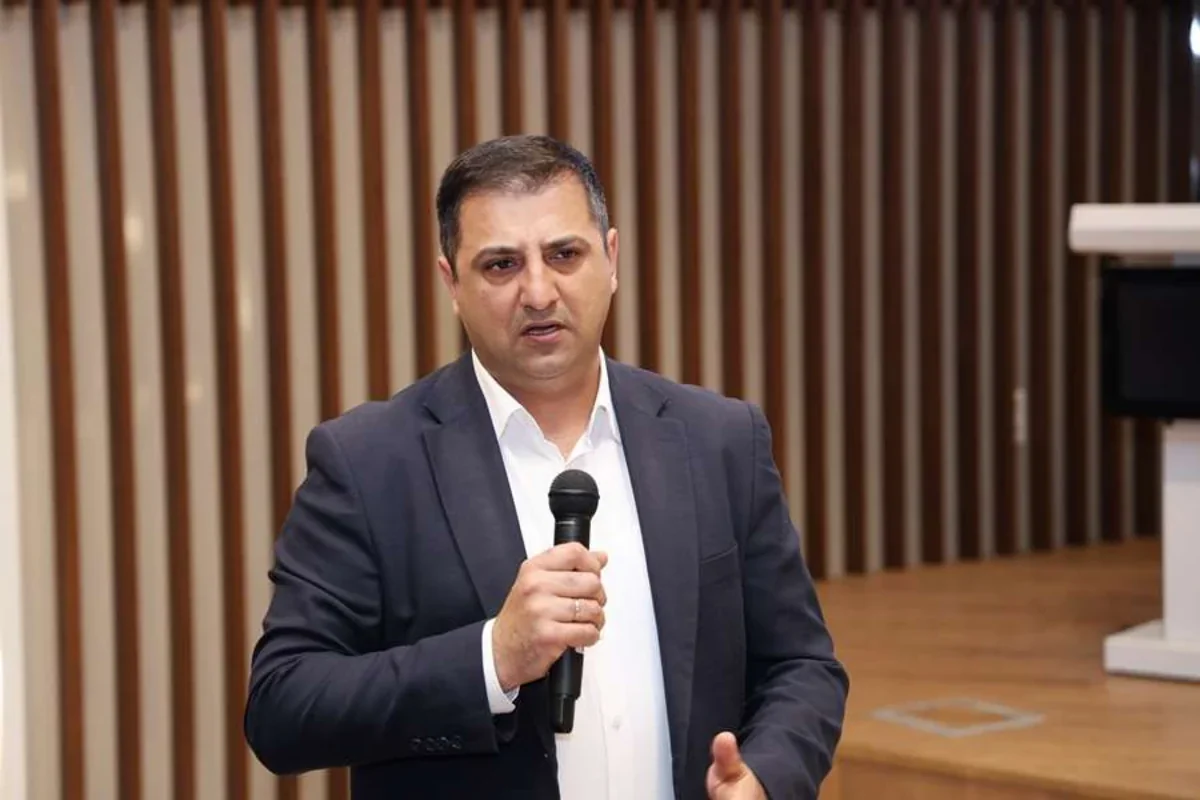
Sea-news.az reports that Alakbar Azizli, Director of Sustainability and Emissions Management at Azerbaijan Caspian Shipping CJSC (ASCO), highlighted these supply chain vulnerabilities on the second day of Baku Climate Action Week 2026 (BCAW 2026).
Noting that the crisis has persisted unabated for three years, Azizli emphasized that the maritime shipping sector is on the frontline of climate-induced environmental pressures, which are bifurcated into distinct challenges for merchant and offshore fleets:
“Let us clarify the situation regarding the merchant fleet. Today, a single one of our cargo ferries can load only 80 percent of its capacity when departing from Kazakhstan. This translates directly to a 20 percent reduction in cargo throughput—an impact that affects not just ASCO’s balance sheet, but macroeconomic and governmental revenues as a whole.”
Azizli stressed that these logistics constraints extend far beyond national borders, impacting the entire Middle Corridor framework and its commercial client base:
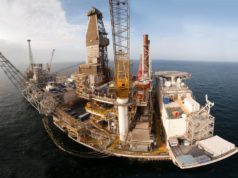
“When it comes to offshore support vessels, the situation is even more critical. As is well known, our fleet includes tugboats, supply vessels, and geological survey ships that operate in close coordination with platforms across major oil fields in the Caspian. Consequently, we are encountering severe berthing limitations; we can no longer safely access legacy mooring piers.”
He added that identical operational bottlenecks are manifesting across maritime hubs in Turkmenistan, Kazakhstan, and the Port of Alat:
“We are unable to submerge or trim vessels to optimal operational drafts for secure loading. Furthermore, underwater remnants of legacy, truncated drilling rigs and submerged pipelines create acute hazards, elevating the risk of hull breaches. Day by day, these compounding factors transform into systemic challenges not just for ASCO, but for every market player and shipping operator across the Caspian basin. On a daily basis, our primary focus remains navigating our fleet with maximum safety precautions.”