Russian scientists have discovered two new species of sculpin fish previously unknown to science in the Caspian basin, including near the coasts of Azerbaijan and Kazakhstan, as well as in the Volga delta and the East Manych River.
Sea-news.az reports that this was announced by the press service of the Russian Science Foundation.
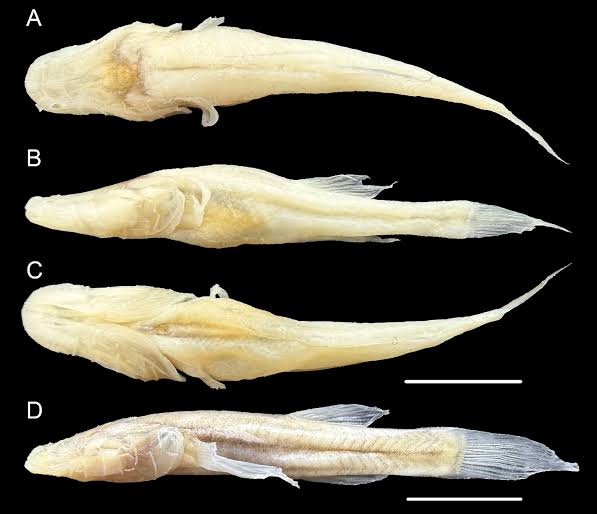
As a result of genetic analysis conducted by specialists from the Institute of Ecology and Evolution Problems of the Russian Academy of Sciences, it was determined that instead of the previously believed two species of bighead sculpin in the Caspian Sea, there are at least three, and instead of the six known species of marbled sculpin in the Caspian basin, there are at least seven.
One of the new species has been named the Caspian “pugolovka” (tadpole goby/sculpin). This species was discovered off the coast of Kazakhstan. Currently, scientists have been able to identify only two specimens of this fish.
The second new species has been named the Scythian marbled sculpin. Genetic research has shown this species’ kinship with sculpin species living in the Black Sea.
According to scientists, this genetic affinity is one of the indicators that a connection existed between the Black Sea and the Caspian Sea approximately 2.1 million years ago.