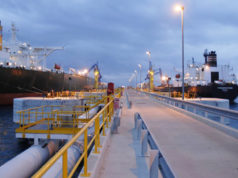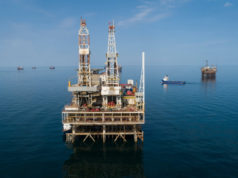

Geopolitical tension in the Middle East and the continued closure of the Strait of Hormuz have caused a serious crisis in global liquefied natural gas (LNG) transportation.
Sea-news.az reports that the suspension of transit in this vital maritime passage has created disruptions in global LNG supply, reduced available tanker capacity, and pushed charter and marine fuel costs to their highest levels since the 2022 energy crisis.
- Spot charter rates: Daily spot charter fees for tri-fuel diesel-electric (TFDE) LNG carriers surged sharply from $5,000 in early February to a historical record of $235,000 in March. In June, the average daily charter rate stood at $60,700 (243% higher compared to June 2025).
- Other vessel types: The average monthly daily charter for tankers rose from $18,000 in February to $108,000 in March, while for steam turbine vessels it increased from $3,000 to $50,000.
- Marine fuel (Bunker): The price of marine fuel used by the LNG fleet increased by 73% in March, exceeding $800 per ton.
- War risk insurance: The insurance premium for a single transit through Hormuz of an LNG vessel valued at $250 million reached $25 million. Cargo insurance ranged between 10–20% of the total value of the cargo.
- Undelivered cargoes: Between March and June, more than 300 LNG tankers from Qatar and approximately 20 from the UAE failed to deliver their cargoes to markets. Around 160 LNG vessels were forced to remain anchored in the waters of the Gulf and the Sea of Oman.
The Strait of Hormuz is the sole maritime corridor through which approximately 20% of global LNG supply passes. Experts remind that 250 million tons of new LNG capacity per year are scheduled to be commissioned worldwide by 2030.