An Ancient City Discovered on the Caspian Coast: An Unknown Branch of the Silk Road Unveiled
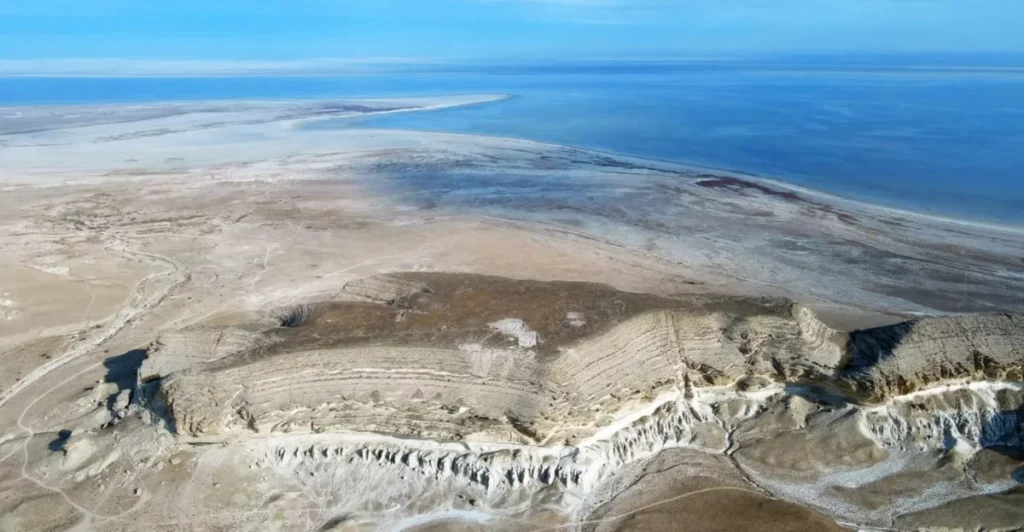
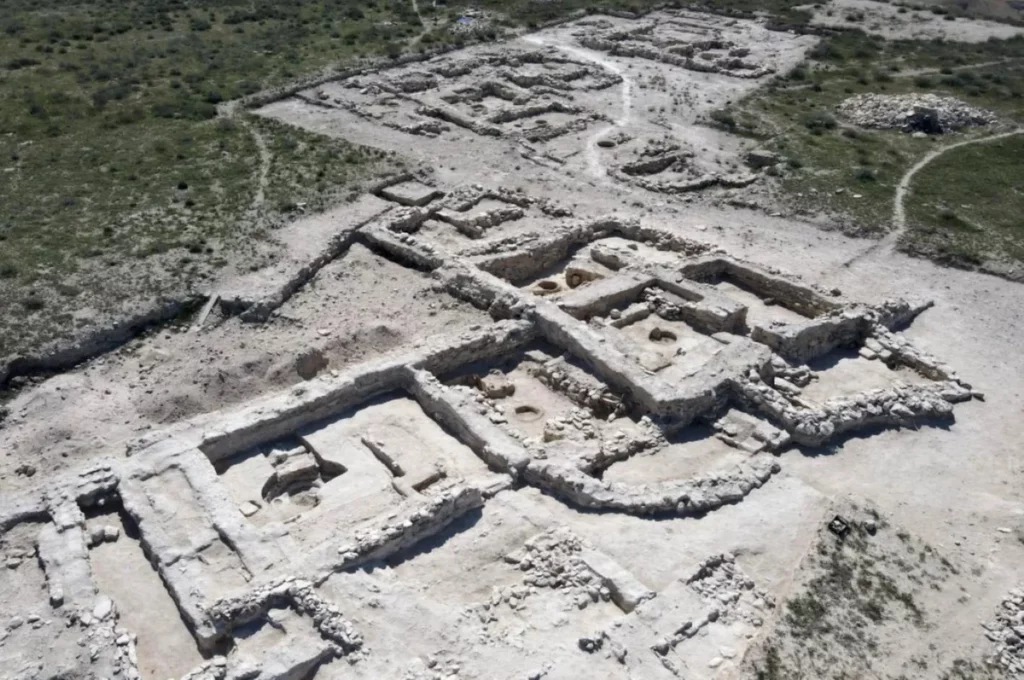
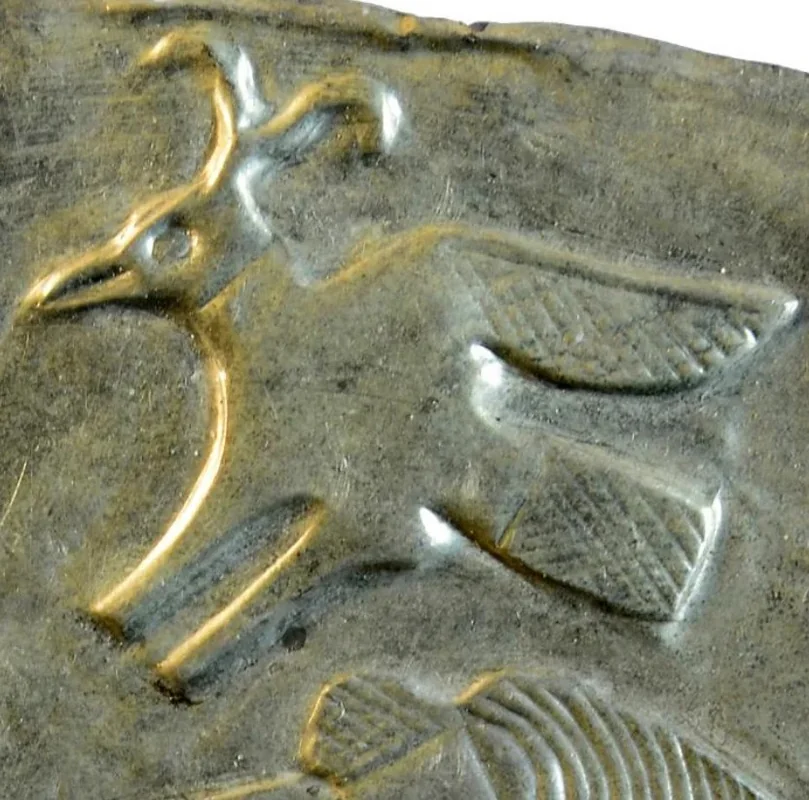
Scientists have discovered significant evidence of ancient metallurgy, jewelry, and glass production, as well as a rich collection of coins imported from Parthia, Byzantium, and China on the eastern coast of the Caspian Sea, in the Tupkaragan district of Kazakhstan’s Mangystau region.
According to sea-news.az this information was published on the official website of the Ministry of Science and Higher Education of Kazakhstan.
As a result of the research, it was revealed that the city of Karakabak, located in the region, existed between the 1st and 6th centuries AD and functioned as a major craft and trade center of its time.
Global Trade Relations and a Rich Coin Collection
The collection consisting of more than 150 coins discovered during the excavations holds particularly great historical significance. Among the finds, coins belonging to Parthia, Khwarazm, Sogdia, Iran, Byzantium, and China draw attention.
According to scientists, one of the branches of the Great Silk Road could have passed through the Mangystau territory, and Karakabak was one of the main hubs of the Azov-Caspian trade corridor, which was previously unknown to science. This route connected the Caspian Sea, the North Caucasus, the Azov region, the Volga basin, the Southern Urals, Central Asia, and the Middle East with one another.
The Mysterious City on Ptolemys Map
Furthermore, it is hypothesized that the city of Karakabak might be the famous city of Aspabota, which is mentioned on the map of the ancient Greek geographer Ptolemy.
Experts emphasize that these unique findings prove once again that the Great Steppe was home not only to nomadic tribes but also to settled trade and craft centers that were highly developed for their time.