The oceans are one of the fundamental pillars of life on Earth: they regulate climate, absorb heat, play a key role in the oxygen cycle and global food supply, and support trillions of dollars in economic activity. However, this system has come under intense pressure in recent decades.
According to sea-news.az one of the most serious challenges is climate change. Ocean warming has accelerated, leading to a faster rise in sea levels. Since 2015, this increase has roughly doubled. The Arctic region is warming four times faster than the global average, intensifying glacier melt and disrupting global water cycles. These processes pose significant risks to coastal cities, infrastructure, and low-lying areas.
Another major issue is the expansion of oxygen-depleted “dead zones,” which now cover millions of square kilometers where most marine life cannot survive. This disrupts ecosystem balance and reduces fish stocks.
Biodiversity is also severely affected. Coral reefs have declined sharply in recent decades, with the Caribbean region alone losing around 80% since the 1970s. If global warming exceeds 1.5°C, most coral reefs worldwide could disappear. Coastal ecosystems such as mangroves and seagrass beds are also steadily declining.
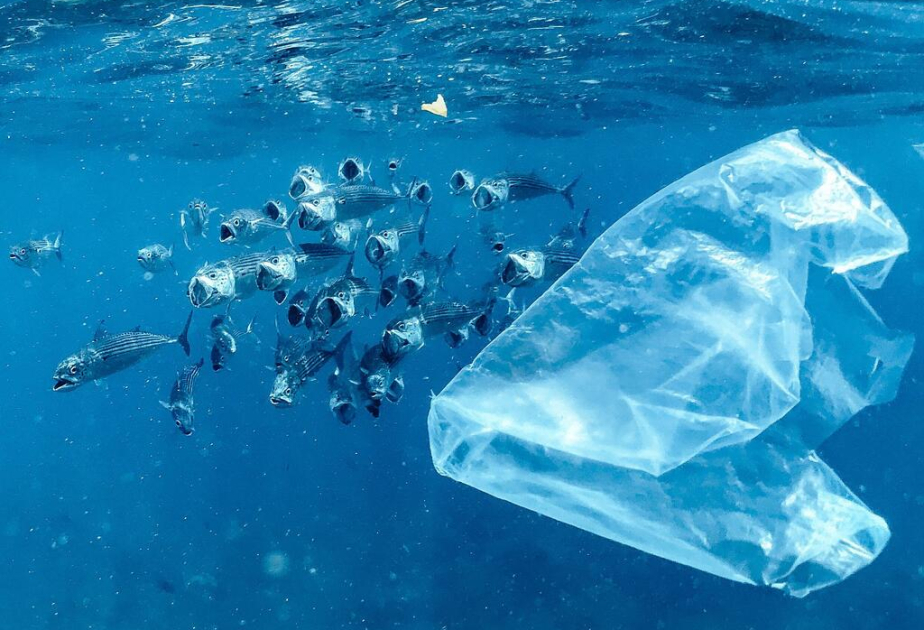
Pollution remains a critical threat. Tens of millions of tons of plastic enter the oceans every year, breaking down into trillions of microplastic particles that affect thousands of marine species. In addition, thousands of chemical and pharmaceutical residues have been detected in seawater, causing long-term ecological damage.
Human activity further accelerates these processes. Population growth in coastal zones, expanding industry and tourism, offshore energy projects, and infrastructure development are increasingly fragmenting natural habitats. A large share of the global population now lives near coastlines, intensifying pressure on marine environments.
The report also notes that while international cooperation on ocean governance exists, it remains fragmented without a unified global approach. Although there are 57 international agreements, they do not provide fully effective coordination. In addition, local communities and traditional knowledge are not sufficiently integrated into decision-making processes.
There are also significant gaps in scientific data. Only about 27% of the ocean floor has been mapped, limiting understanding of deep-sea ecosystems.
The coming decade is described as critical. Without rapid and coordinated global action, ocean degradation will continue, threatening not only marine life but also climate stability, food security, and the livelihoods of billions of people worldwide.