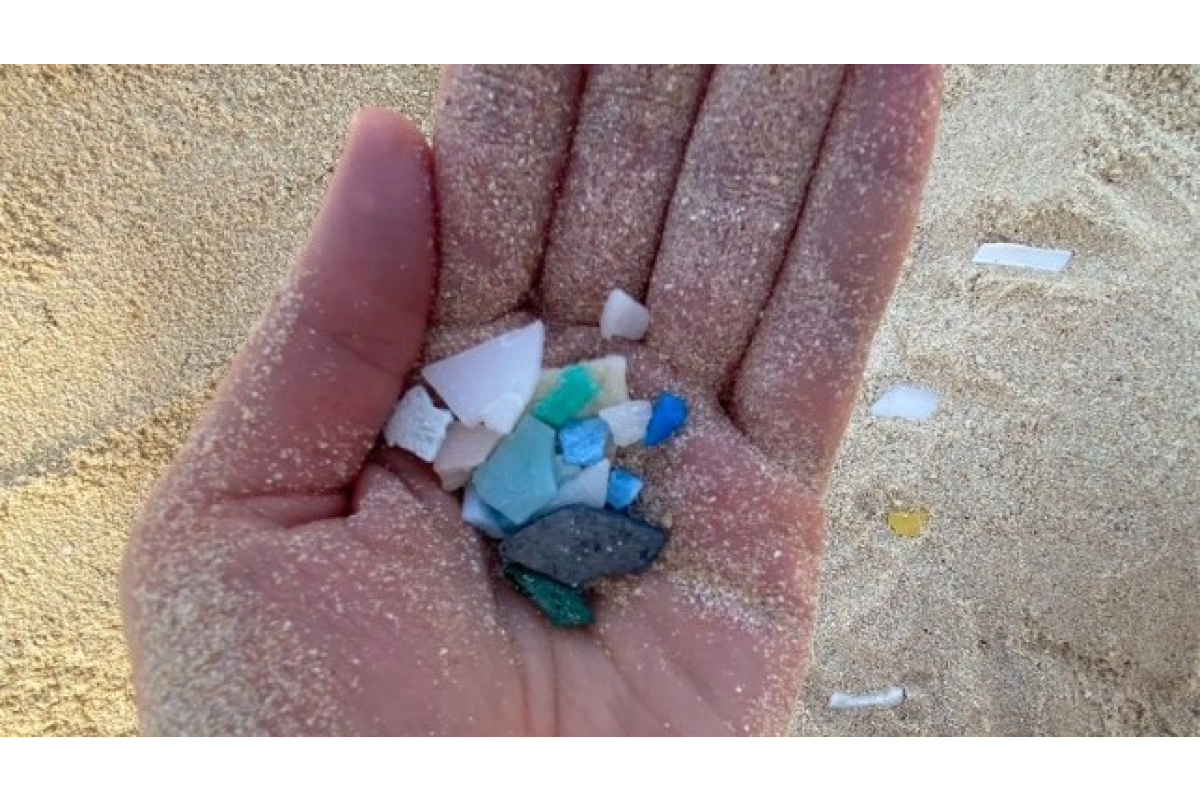
Researchers at the Norwegian University of Science and Technology (NTNU) have found that microplastics may reduce the ocean’s ability to absorb carbon dioxide (CO₂), adding a new dimension to the global plastic pollution problem.
The study, reported by journalist Ingebjørg Hestvik and explained by Francesca Verones from NTNU’s Department of Energy and Process Engineering, highlights the role of oceans in absorbing roughly 25–30% of human-generated CO₂ emissions. This process is largely driven by phytoplankton, which play a key role in the global carbon cycle.
According to the findings, microplastics can hinder this natural mechanism by reducing light penetration in seawater, disrupting phytoplankton growth, and inducing cellular stress. As a result, both photosynthesis and carbon absorption efficiency may decline.
The researchers note that the impact is particularly noticeable in tropical and arid marine regions. While current global effects are still considered limited, the increasing concentration of microplastics in the oceans could significantly amplify the problem in the future.
Scientists emphasize that plastic pollution should be viewed not only as an environmental issue but also as a factor influencing climate systems and the global carbon balance.