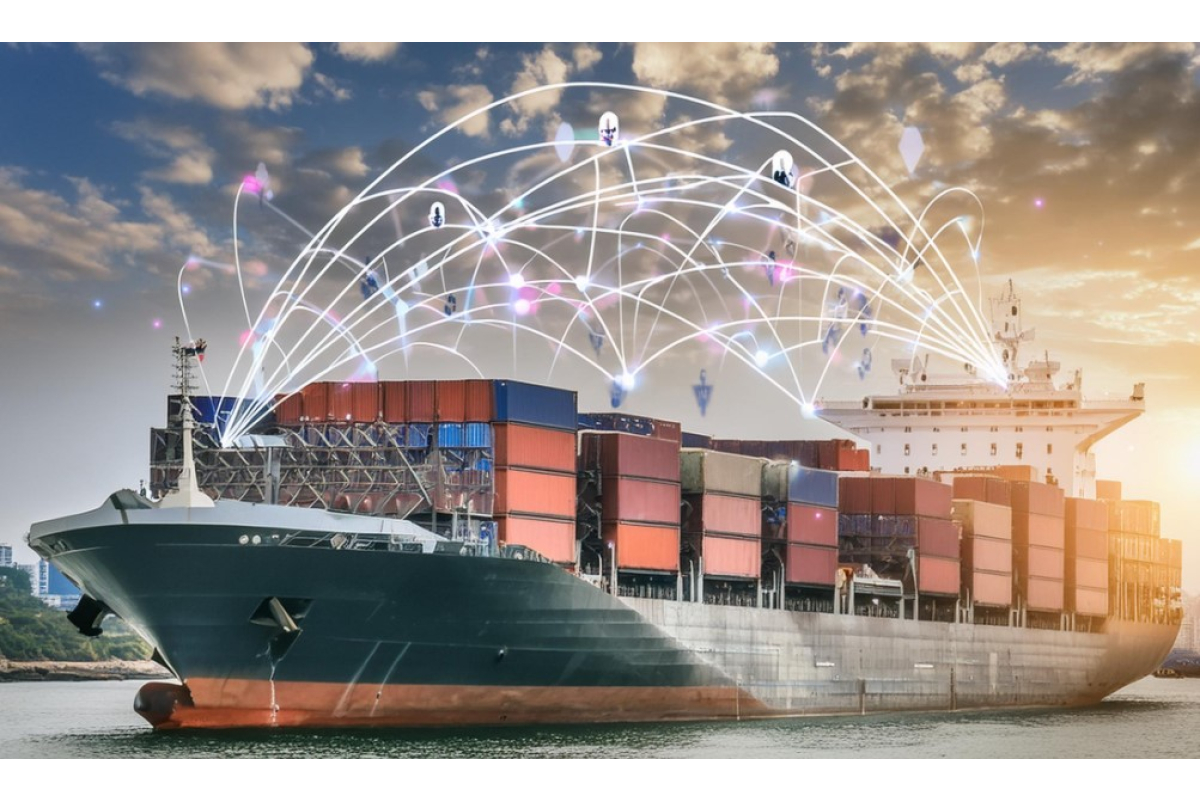
High-precision AIS (Automatic Identification System) data provided by the Kpler trade intelligence platform is significantly changing vessel selection processes in the chartering market.
Traditionally, companies selecting ships for time charter rely on charter party (CP) specifications, class certificates, and broker reports. However, these indicators do not always reflect the vessel’s real and continuous technical condition. In particular, as the time since dry-docking increases, some vessels may experience 5–15% higher fuel consumption than expected, creating direct financial risks for charterers.
In contrast, AIS-based analytics offered by platforms such as MarineTraffic, FleetMon, and Spire Maritime allow operators to assess a vessel’s performance more accurately by correlating speed and voyage history with weather conditions. This enables stakeholders to evaluate up to 6–18 months of operational data, detect hull fouling, and identify engine degradation trends.
As a result, a more reliable and independent dataset on vessel speed and fuel efficiency is formed before any charter agreement is signed. Technical teams can now assess performance at the selection stage rather than after deployment, helping reduce hidden fuel costs and minimize operational risks.