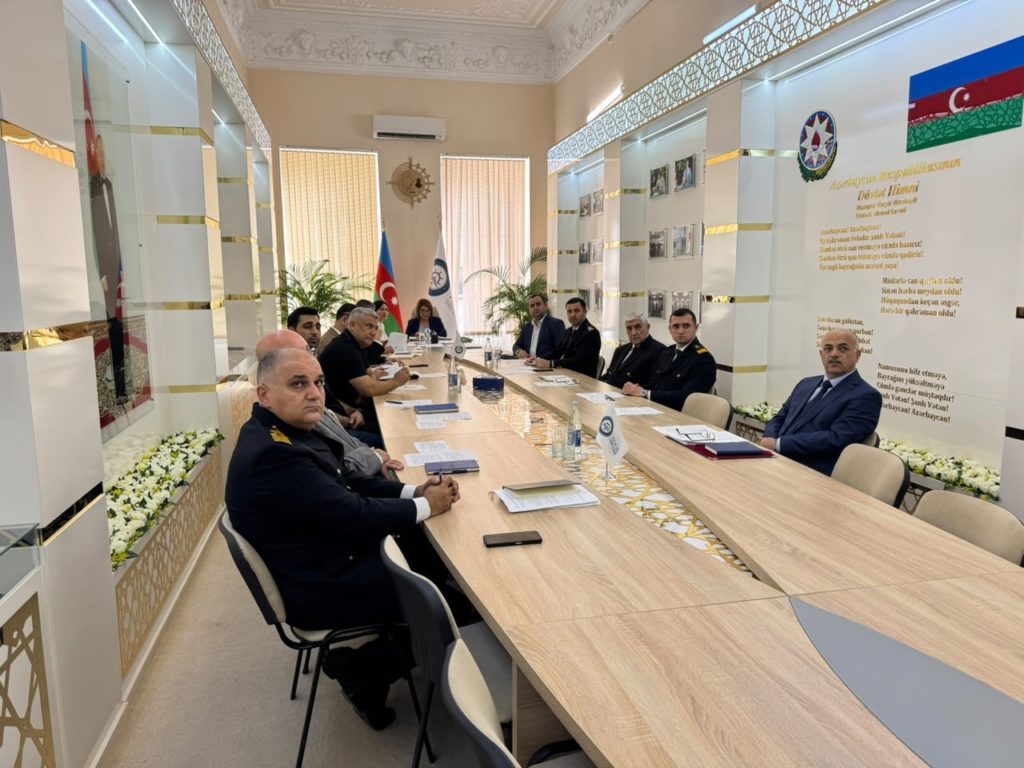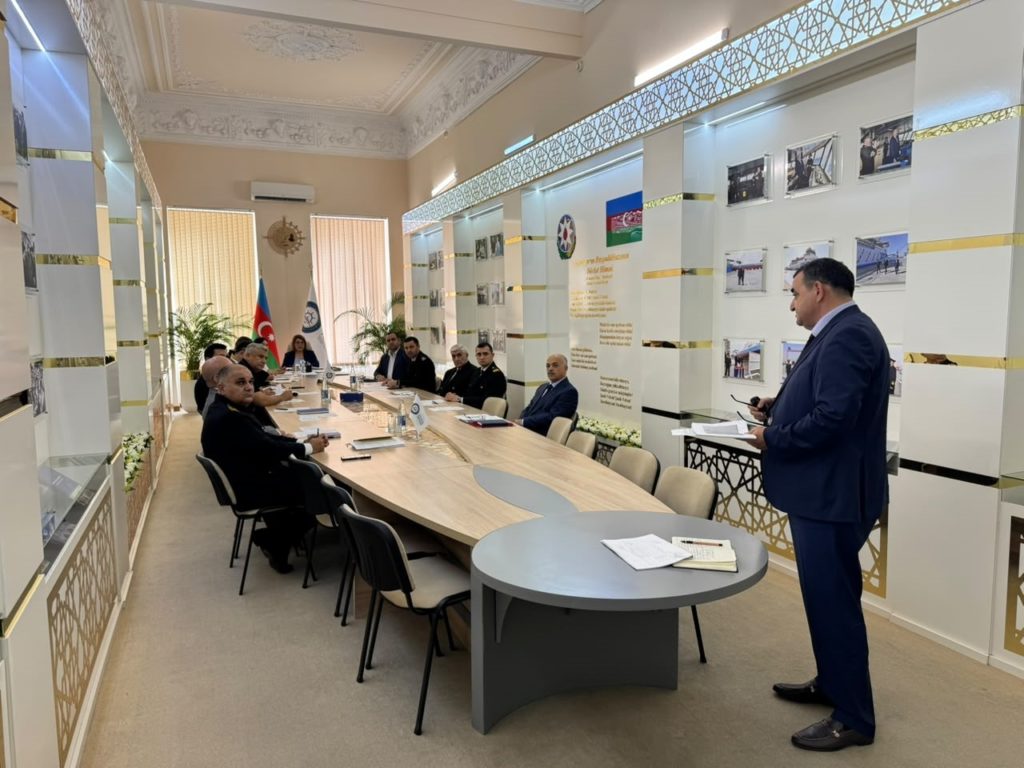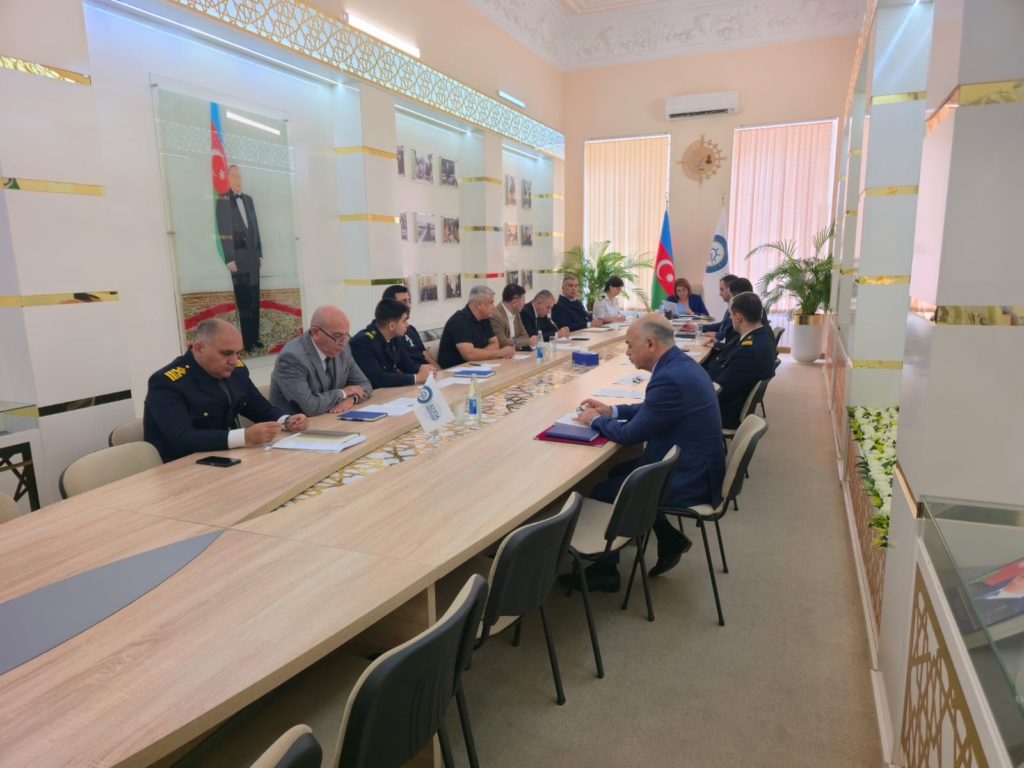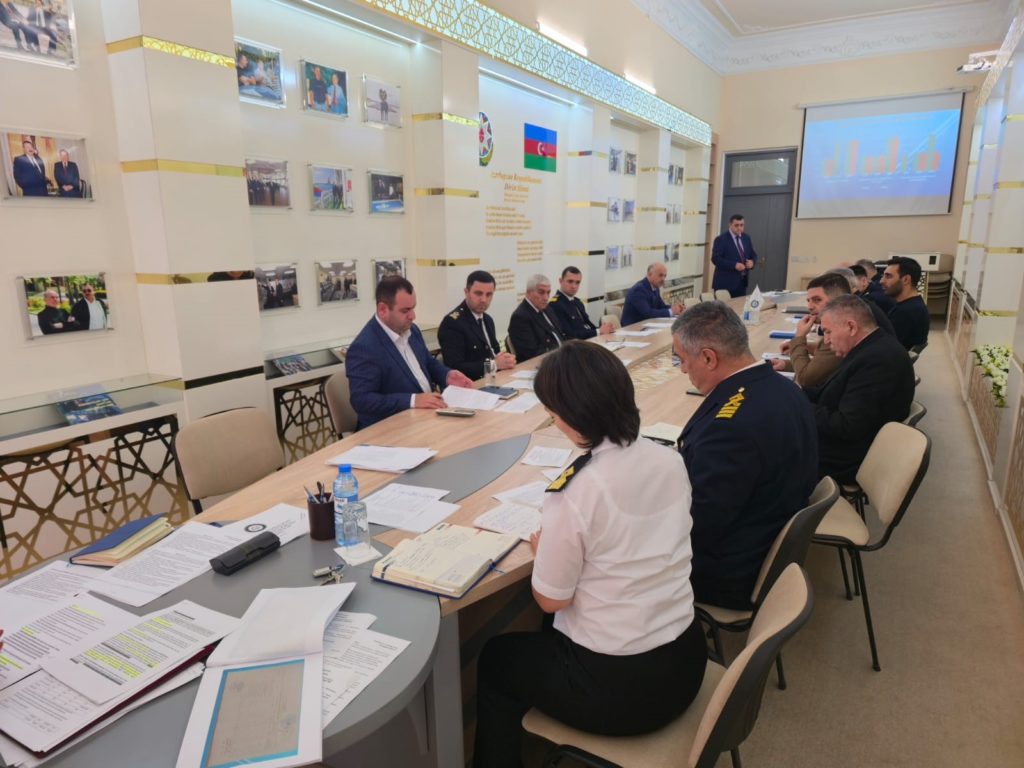
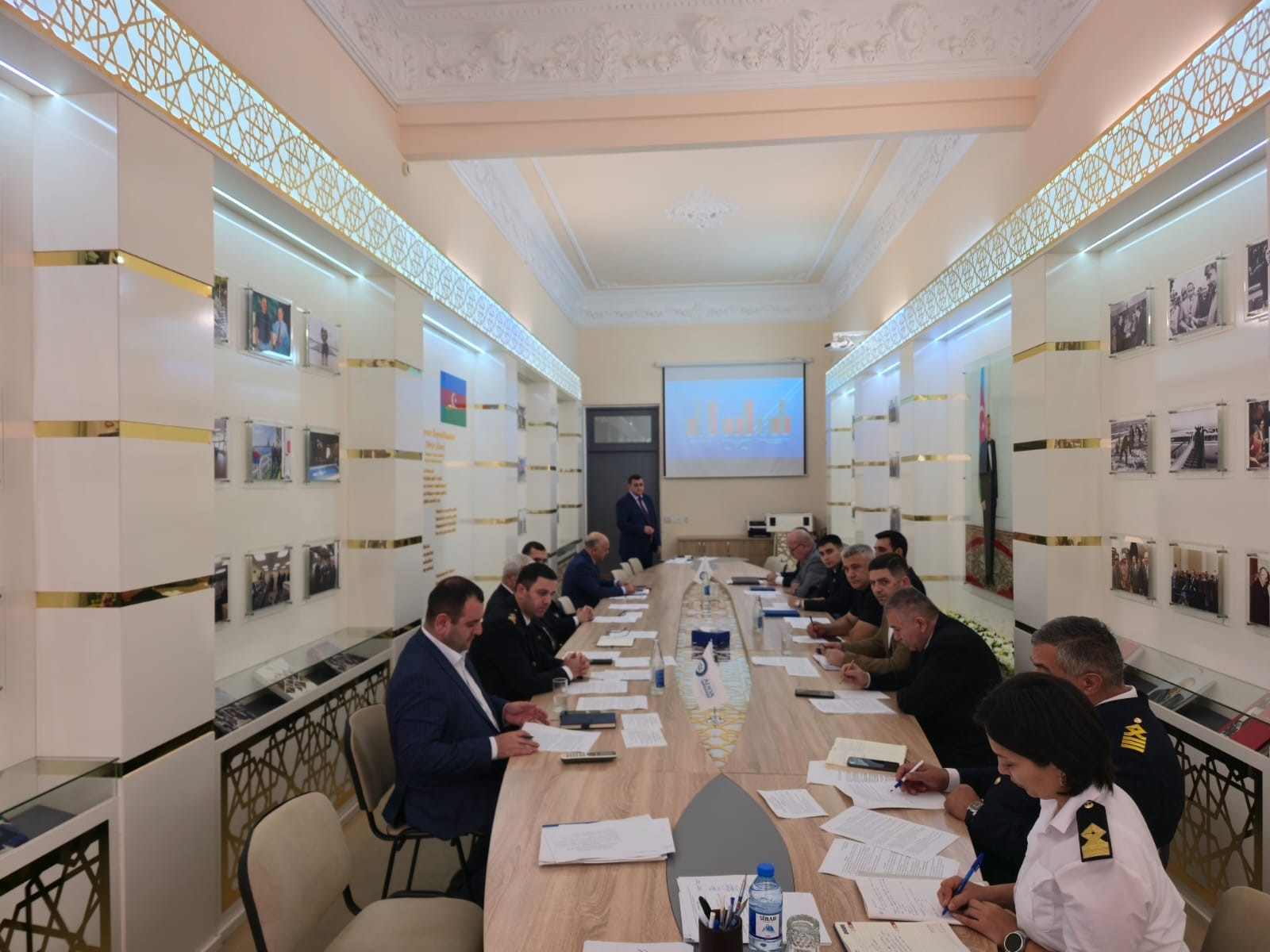
On October 20, the Academic Council of the “Azerbaijan State Maritime Academy” (ASMA) held its first meeting for the new academic year.
Sea-news.az report During the meeting, the admission results for the 2026/2027 academic year were discussed. Directives were issued to align the student admission projections for the upcoming academic year with labor market demands, increase the intake of international students, and conduct feasibility studies regarding the establishment of an English-taught section for the “Shipbuilding and Ship Repair Engineering” major.
Furthermore, a comprehensive package of regulatory, organizational, and methodical documents prepared for the implementation of the Academy’s Digital Transformation Strategy and the “Electronic Academy” system was reviewed. Taking into account recent personnel changes, the composition of the Working Group on the development of the Digitalization Strategy was re-approved and its term of operation was extended.
The Academic Council also evaluated ongoing preparatory work for new degree programs planned for introduction at the Academy, including “International Trade and Logistics,” “Management” (Water Transport), “Ecology” (Water Basins), and “Design” (Water Transport). As part of educational and methodical affairs, new textbooks authored by the faculty members were recommended for publication, and the title of the Academy’s “Scientific Works” journal was officially changed and approved as the “Caspian Journal of Maritime Sciences and Engineering.”
At the conclusion of the deliberations, the regulation of student attendance limits was reviewed. The previous 15% attendance restriction established by earlier Council decisions was rescinded to align with Resolution No. 348 of the Cabinet of Ministers of the Republic of Azerbaijan. Pursuant to the decision, starting from the spring semester of the 2026/2027 academic year, a rule barring students across all educational levels who miss more than 25% of allotted classroom hours for a course from taking examinations will be enforced, with appropriate regulatory adjustments to be implemented accordingly.