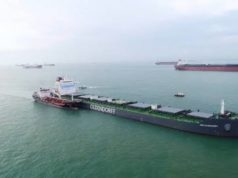
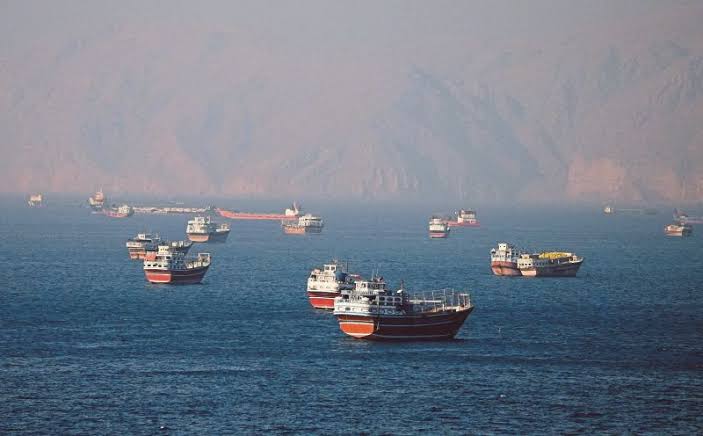
At least 18 attacks on commercial vessels have been recorded in the Strait of Hormuz over the past two weeks.
Sea-news.az reports this was disclosed by the intelligence and analytics firm Kpler.
Analysts note that tanker attacks have expanded beyond the Strait of Hormuz, reaching into the Gulf of Oman. These incidents also pose a threat to shipping outside the Persian Gulf as well as ship-to-ship transfers that support regional oil transport. The situation has heightened concerns over further disruptions to shipping through the vital global oil transit chokepoint and its potential to drive up energy prices.
Meanwhile, oil prices are rising amid fears of supply disruptions in the Middle East, driven by risks in the Red Sea and threat of attacks targeting Saudi Arabia’s oil infrastructure.
According to experts, the rise in crude prices is influenced by statements reinforcing expectations that Iran will not compromise on its conditions for reopening the Strait of Hormuz, ongoing regional tensions, and a drawdown in US crude oil inventories.
The American Petroleum Institute (API) estimated that US commercial crude oil inventories dropped by approximately 4.93 million barrels last week. Market expectations had anticipated a drawdown of 1.3 million barrels. The larger-than-expected inventory decline exerted further upward pressure on crude prices.
In addition, US Department of Energy officials stated that they are collaborating with global oil refineries to boost fuel output as a diesel shortage pushes prices higher.