Amid rising geopolitical tensions in the Middle East, the European Union is planning to establish an alternative digital corridor through the Arctic to strengthen the security of internet traffic.
Currently, around 90% of Europe’s internet traffic is transmitted through routes linked to the Red Sea region, making the continent’s digital infrastructure vulnerable to regional security risks.
To address this concern, the Far North Fiber and Polar Connect projects are under consideration. The proposed Arctic fiber-optic routes would connect Europe with Asia and North America, shortening data transmission distances while reducing dependence on high-risk regions.
The combined value of the projects is estimated at approximately $2.3 billion, with preliminary research activities expected to begin this summer.
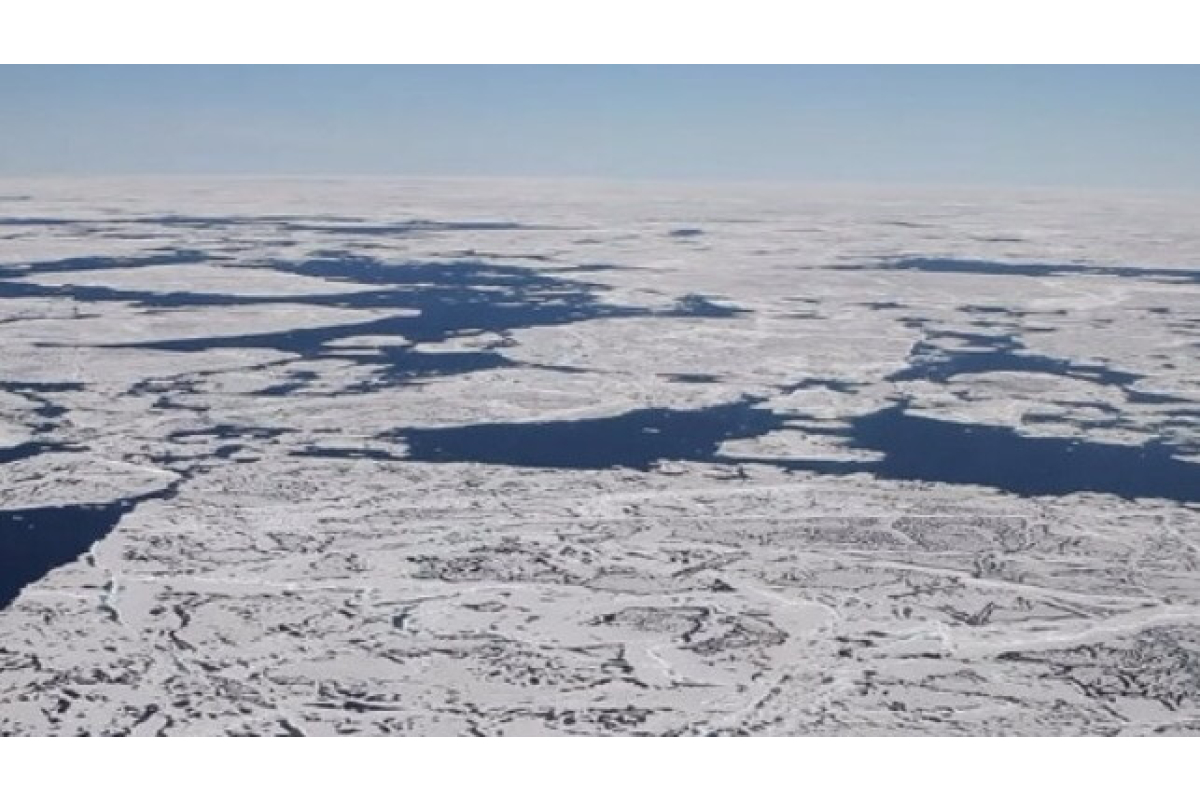
However, the Arctic route presents major technical challenges. Moving ice masses in the Arctic Ocean pose a significant threat to underwater cables, while the limited number of available icebreakers in the region could delay repair operations for months in the event of damage.
Experts also note that the earlier Arctic cable initiative by U.S.-based Quintillion faced high operational costs and technical difficulties, raising questions about the practical feasibility of Europe’s proposed project.