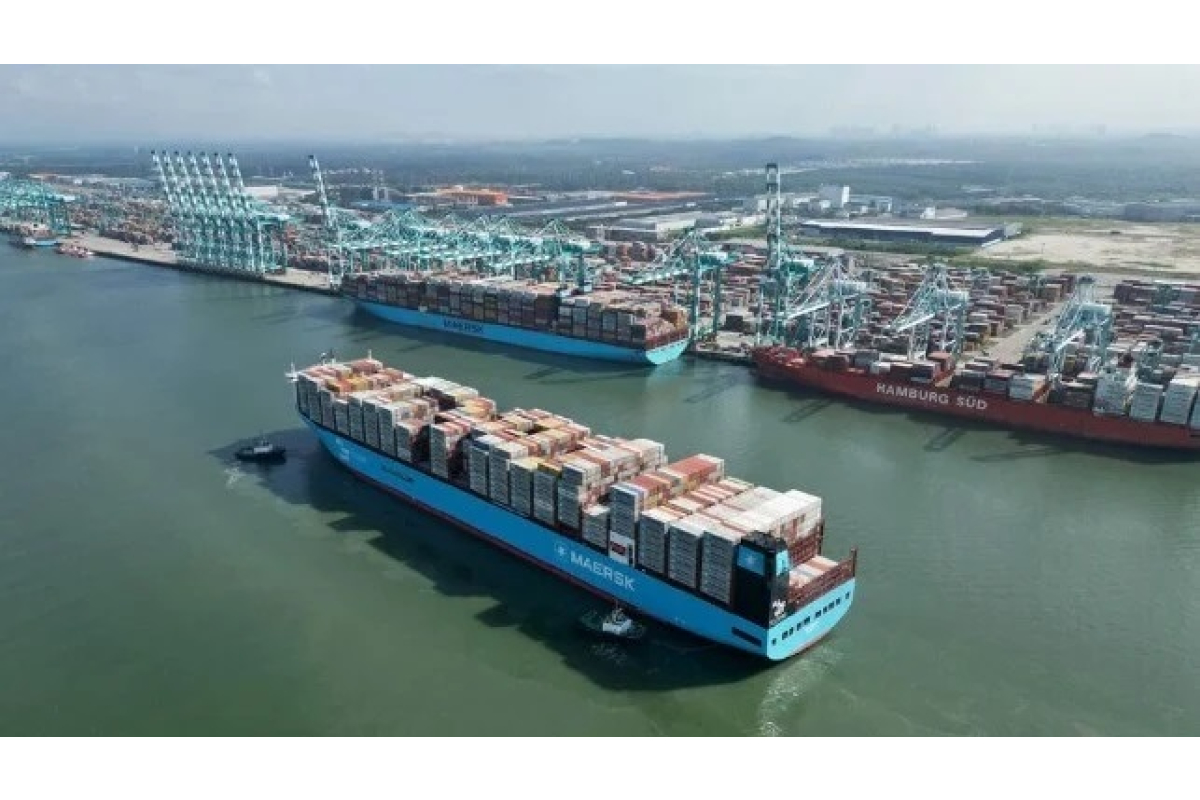
Maersk, regarded as a key indicator of the global container shipping market, reported financial losses in the first quarter of this year. The company’s CEO, Vincent Clerc, stated that despite a more than 9% increase in cargo volumes and particularly strong export growth from China, a 14% decline in freight rates had a serious negative impact on revenues.
The main reasons behind the drop in rates were identified as excess shipping capacity in the market and the delivery of new vessels, which increased overall supply beyond demand.
Another major factor affecting the company’s financial performance was the sharp rise in fuel costs. According to the CEO, monthly bunker fuel expenses increased by nearly two-thirds, adding around $500 million in extra costs every month. Despite strict cost controls and a 7% reduction in unit costs, Maersk has been forced to pass part of these increases on to customers.
Looking ahead, the company has ordered eight new 18,600 TEU vessels scheduled for delivery in 2029–2030 as part of its fleet renewal strategy. Although fleet utilization has risen to 96%, six of the company’s vessels remain blocked in the Persian Gulf. Maersk currently forecasts global container market growth of between 2% and 4% this year.