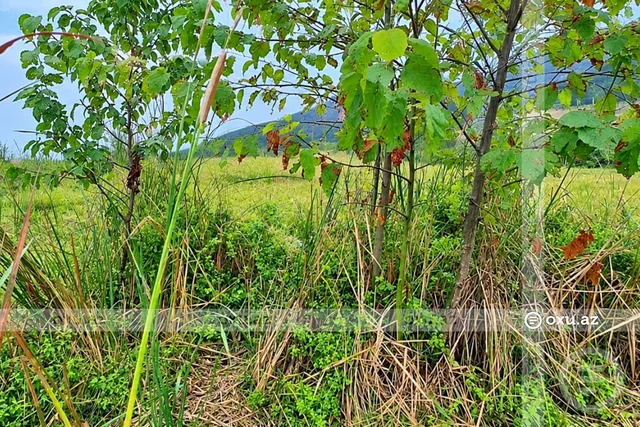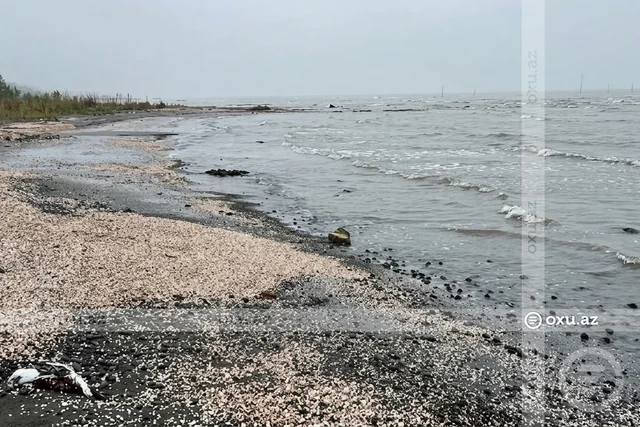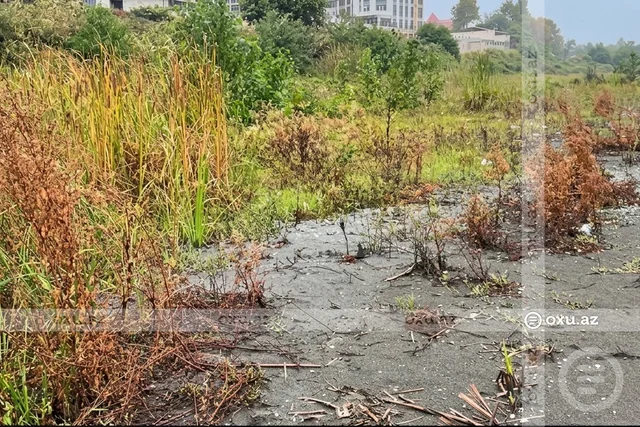
The rapid drop in Caspian Sea water levels in recent years is actively altering the topography of coastal areas. As the shoreline recedes, lands once submerged under water are re-emerging, giving rise to new natural landscapes. Newly formed dry coastal strips are seeing expanding green belts, with forest and fruit trees taking root.
These environmental transformations are clearly visible along the Lankaran coastline in southern Azerbaijan.
Sea-news.az reports Oxu.Az presents a photo report from Lankaran:
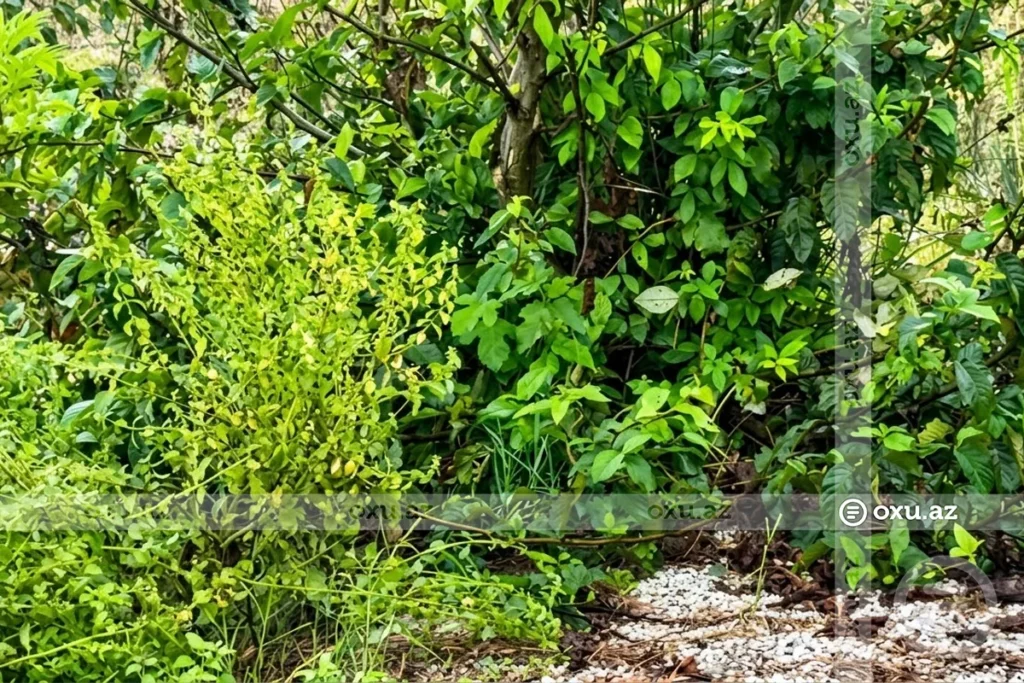
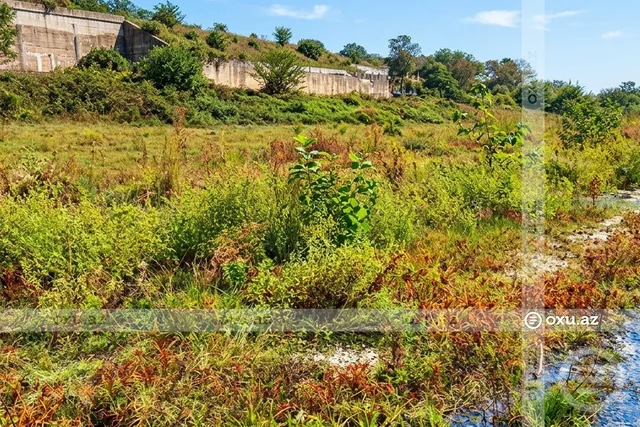
According to recent field measurements, the shoreline in Lankaran has retreated by 45 meters. Areas formerly covered by Caspian waters are drying out and converting into new terrestrial parcels.
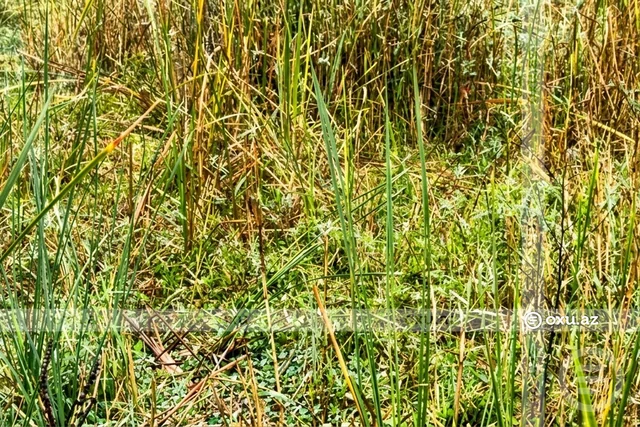
A notable aspect of this shift is the spontaneous emergence of native vegetation. In areas exposed by the sea’s retreat, green belts are taking shape, fostering the growth of diverse trees and flora. In several locations, the development of timber and fruit trees has given the coastal landscape a distinctly new appearance. Thus, while the receding Caspian causes environmental concern, it simultaneously yields a altered coastal vista.
However, the emergence of new greenery and changing landscapes does not signify the resolution of marine ecological crises. On the contrary, falling water levels pose grave systemic risks to the entire Caspian ecosystem.
Environmental experts identify global climate change as a primary driver behind the sea’s recession. Rising atmospheric and water temperatures accelerate evaporation rates, disrupting the sea’s overall hydrological balance. Additionally, anthropogenic activities and heavy water abstraction along major inflowing rivers continue to compound the pressure.
The impacts extend far beyond mere shoreline shifts. Reduced water volume severely threatens the long-term sustainability of the broader marine ecosystem.
The state of the Volga River, which provides approximately 80 percent of total freshwater inflow into the Caspian, remains under critical focus. Reservoirs, agricultural dams, and other industrial factors along the Volga basin exert direct strain on the Caspian’s water balance.
Biologists warn that falling water levels carry severe ecological consequences for marine fauna. Shallowing and drying in the Northern Caspian are shrinking the natural habitat of the endangered Caspian seal while drastically reducing critical spawning grounds for key fish species.
To contextualize the current crisis, historical metrics offer a clear baseline. In 1978, the Caspian Sea dropped to a historic low of approximately 29 meters below global ocean level. Currently, water levels have fallen past that milestone, reaching 29.1 to 29.2 meters below sea level.
In summary, the recession of the Caspian Sea is concurrently producing new coastal landscapes and green zones while triggering severe ecological challenges. The shifting coastline underscores increasingly urgent questions regarding the future of the sea and the region’s broader environmental equilibrium.