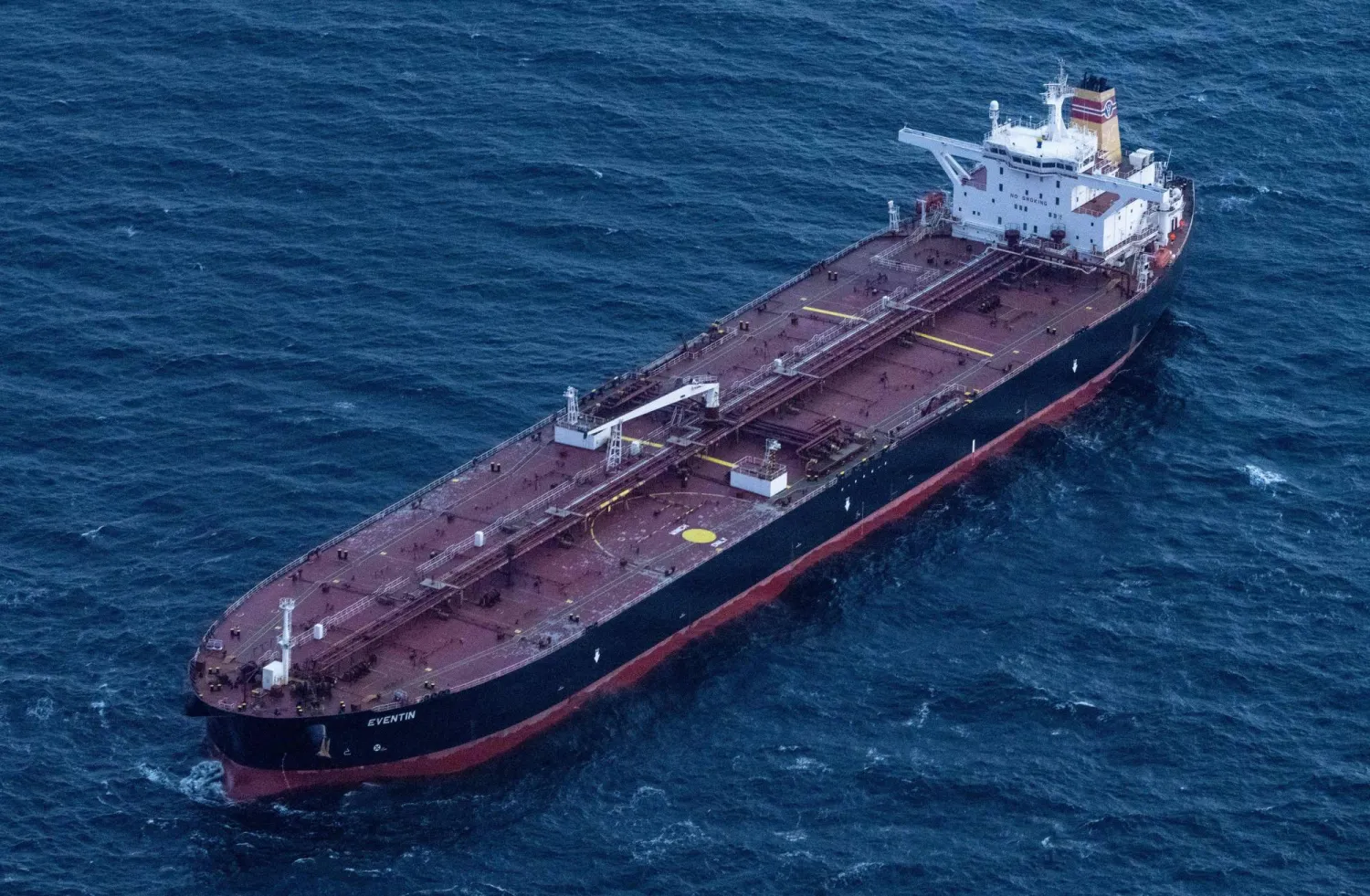
The war in the Middle East has driven global oil shipping costs up approximately sevenfold over the past year.
Sea-news.az reports that this was disclosed by Goldman Sachs, one of the leading investment banks in the United States.
The bank projected that freight rates will continue to climb due to persistent geopolitical risks and logistical disruptions.
According to analysts, the average rate for hauling crude oil has surged from $3 to more than $20 per barrel. Risks stemming from the Strait of Hormuz contributed $7 to the increase, while rising fuel costs and ship-to-ship transfers added $4 each.
“Higher freight rates for longer pose some upside risk to our Brent forecast, along with the risks of more intense shipping attacks, damage to energy infrastructure, and a stickier geopolitical risk premium,” the bank noted in its report. “The core baseline forecast projects Brent crude prices falling to $90 per barrel by the end of the year”.
According to Goldman Sachs analysts, the increased cost of delivered crude could dampen overall oil demand from refineries. Refineries may also alter established trade routes by sourcing supplies from closer producers.
Analysts pointed out that if supply tightness in the Middle East continues under current conditions, the factors inflating oil transport costs will largely remain in place. Roughly one-sixth of tankers in the Persian Gulf and the Gulf of Oman are used daily for ship-to-ship oil transfers.
The US-Iran conflict and subsequent attacks on vessels in and around the Gulf have disrupted the global shipping industry. Although oil flows through the Strait of Hormuz initially fell sharply, shipments have partially recovered as vessels transiting the disputed waterway transfer their cargoes to larger tankers.