



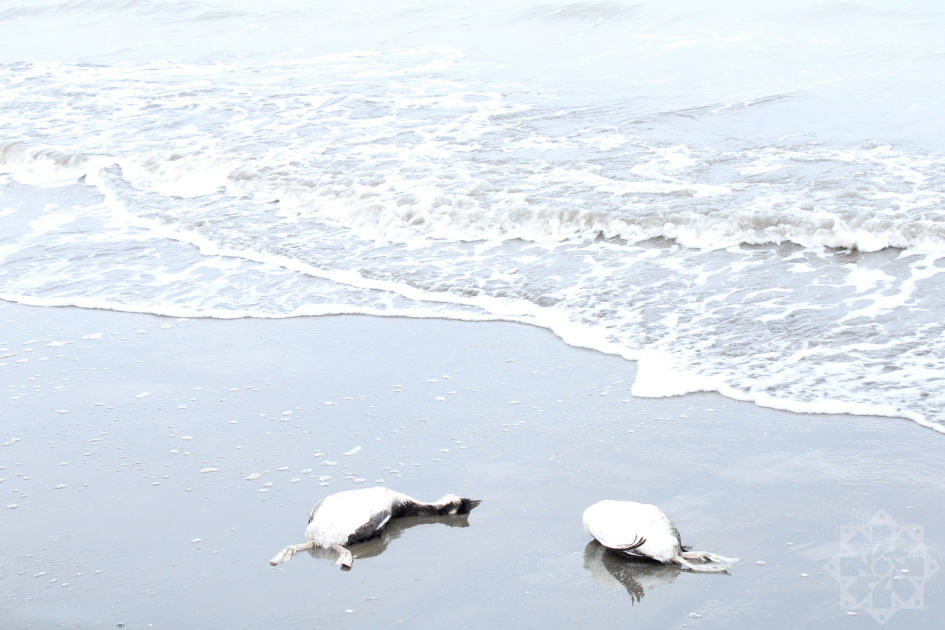
Dr. Abulfaz Taghiyev, Head of the Zoology and Physiology Department at Baku State University (BSU) and Associate Professor, analyzed the negative impacts of declining water levels in the Caspian Sea on migratory birds and the regional ecosystem.
Sea-news.az reports Azerbaijan plays a critical role in seasonal avian migration. During the wintering period, species from Russia, Kazakhstan, Northern, and Central Europe (mainly Anseriformes and ducks) transit through the country, while herons and other wetland birds arrive from Southeast Asia and Africa during the breeding season.
However, as a result of the shallowing that began in 1996, the coastline has receded, causing coastal reedbeds and tamarisk vegetation to dry up and disappear. This has severely restricted the natural shelters, nesting grounds, and foraging habitats of birds.
The expert noted that although more than 130 rivers flow into the Caspian Sea, the volume of inflowing water has decreased, while a 1–1.5°C rise in temperature accelerates surface evaporation. This process threatens not only birds but also other marine life, particularly the breeding grounds of the endemic Caspian seal due to weakening ice cover in the Northern Caspian.
According to research by German and Dutch scientists, the water level of the Caspian Sea could decline by up to 18 meters by 2100, posing a risk of total desiccation for the Northern Caspian, which has an average depth of just 5 meters. Abulfaz Taghiyev emphasized the urgent need for timely, comprehensive, and preventive measures to reduce damage to biodiversity.



