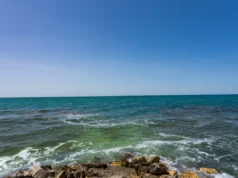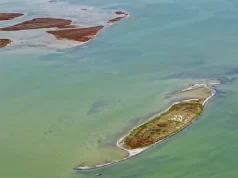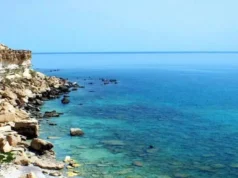

The Caspian Sea is gradually retreating from its shores. Along with the water, the region is also losing ecological balance, economic stability, and a sense of a predictable future. What was once considered a natural fluctuation is now increasingly viewed as one of the most serious consequences of global climate change.
In recent years, the changes occurring in the Caspian have become visible in real time. Coastlines are shifting, ports are becoming shallow, navigation conditions are deteriorating, fish spawning areas are shrinking, bird migration routes are being disrupted, and unique natural habitats are coming under threat.
Main causes of shallowing
According to experts, the key reasons include:
- global warming,
- increased evaporation,
- reduced river inflow, especially from the Volga River,
- intensive use of water resources.
As the Caspian is a closed body of water, its level depends entirely on the balance between river inflow and evaporation. As temperatures rise, evaporation intensifies, river water volumes decrease, and sea levels continue to fall.
The situation is particularly critical in the Northern Caspian. Reports indicate that since 2020, water levels there have been dropping by approximately 30 centimeters annually. In 2025, the lowest level in recorded history was observed.
Growing ecological threats
Falling water levels are primarily affecting biodiversity. Populations of rare species such as the Caspian seal are declining. In recent years, hundreds of dead seals have been discovered along the coast of Kazakhstan.
The problem is not limited to seals. Azerbaijan has also witnessed mass deaths of migratory and water birds in recent months. Thousands of dead birds found along the coasts of Khachmaz, Baku, and Lankaran have raised serious concerns among specialists.
Studies point to several contributing factors, including:
- shrinking food resources,
- water pollution,
- climate change,
- disruption of ecosystem balance.
Risks for shipping and the economy
The shallowing of the Caspian is also affecting ports and shipping routes. Regular dredging operations are being carried out in the Volga–Caspian shipping canal to maintain navigable depth.
In Baku, the situation is further complicated by technogenic problems. As water recedes, previously hidden polluted zones, metal structures, and old industrial waste are being exposed. Baku Bay is now considered a special risk zone from both environmental and urban planning perspectives.
Is there a solution?
Experts believe that while it may be difficult to completely stop the process, its impact can still be reduced. This requires:
- restoration of coastal areas,
- reduction of pollution,
- protection of ecosystems,
- stronger regional cooperation.
The Azerbaijani government has already prepared a Comprehensive Action Plan covering 2025–2030. The program includes:
- dismantling аварийных offshore platforms,
- removal of sunken vessels,
- sealing abandoned oil wells,
- rehabilitation of coastal zones.
Specialists warn that the changes taking place in the Caspian are not only an environmental issue. They may also have long-term consequences for the region’s economy, transport system, fishing industry, and the daily lives of millions of people.