



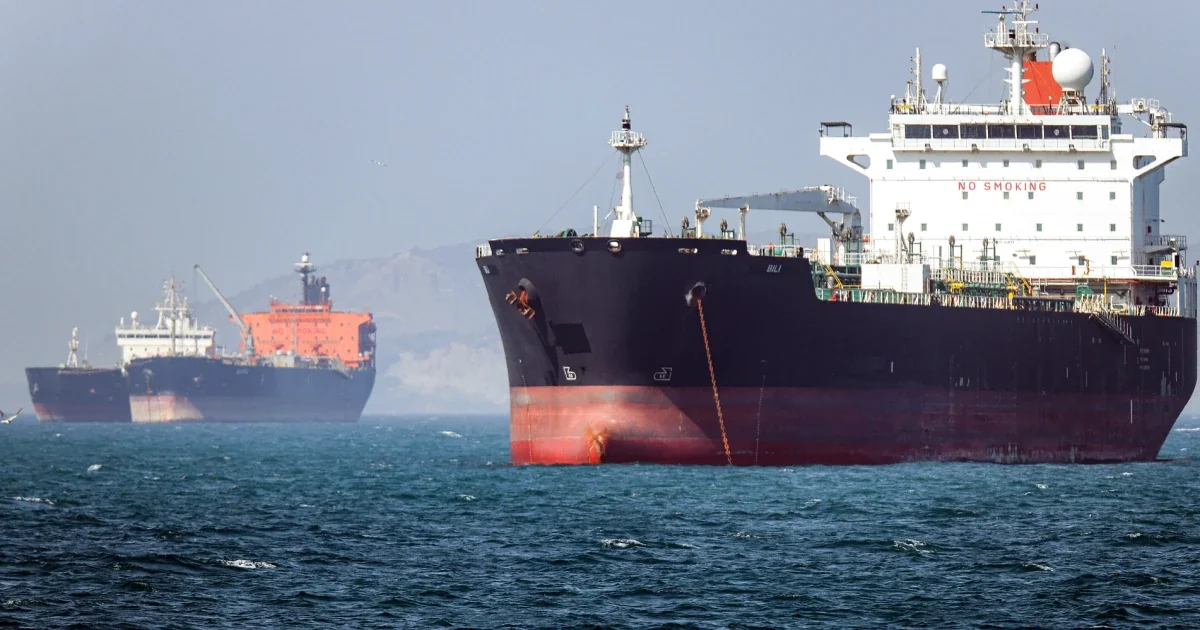
Amid ongoing military operations in the Middle East, the United States and Russia have emerged as the biggest economic beneficiaries.
This is reported by The New York Times.
The publication notes that Qatar, Kuwait, and Iraq—countries heavily dependent on energy shipments through the Strait of Hormuz—are among those suffering the greatest losses due to the current situation.
According to the source, rising tensions in one of the world’s key strategic chokepoints have caused a sharp increase in global oil and fuel prices.
The United States has reportedly increased its energy exports, including oil and diesel, taking advantage of the market conditions and generating additional revenue. The New York Times estimates that U.S. maritime energy exports rose by 145 million barrels annually, bringing approximately $50 billion in extra income.
Russia has also benefited from the global price surge. Although its seaborne oil exports decreased by around 592,000 barrels, higher global prices reportedly generated an additional $15 billion in revenue for Moscow.
The newspaper notes that at the beginning of April, the price of Russian oil exported via the Gulf of Finland rose from $41 per barrel before the conflict to as high as $120 per barrel.
Among Gulf countries, the situation has been mixed. The United Arab Emirates and Saudi Arabia were able to partially offset losses through pipeline routes bypassing the Strait of Hormuz.
While Saudi oil shipments reportedly fell by more than 150 million barrels, higher prices increased the country’s revenues by $9.2 billion.
However, The New York Times emphasizes that Iraq, Kuwait, and Qatar—lacking alternative export routes and remaining heavily dependent on the Strait of Hormuz—have faced more severe economic losses. Iraq alone is estimated to have lost around $15 billion.



