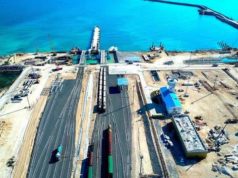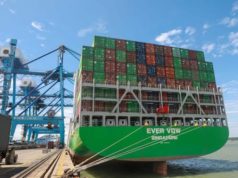

The historical footprint of Dutch engineering and infrastructure firms in the Caspian Sea basin suggests they may show strong interest in participating in the upcoming expansion stage of the Baku International Sea Trade Port.
Sea-news.az reports that transport analyst Rauf Agamirzayev stated this in a comment to AZERTAC.
The expert noted that comparing the Port of Rotterdam directly with the Port of Baku based solely on cargo throughput would be inaccurate, given differences in operational scale, geographical parameters, and supply chain dynamics.
“The Port of Rotterdam handles approximately 14 million TEUs in container traffic annually, whereas the current volume at the Port of Baku stands at roughly 100,000 TEUs. Plans are underway to incrementally scale up Baku’s container handling capacity to reach 500,000 TEUs in the near future. While Rotterdam operates primarily as a mega-hub for ocean freight, Baku functions as an integrated multimodal logistics platform, prioritizing sea, rail, and road interconnectivity, particularly along the Middle Corridor,” Agamirzayev explained.
He highlighted that Dutch companies possess long-standing expertise in Caspian maritime development: “For instance, Royal Haskoning of the Netherlands has previously engaged in port infrastructure initiatives across the region, including maintenance and capital dredging of navigation channels and turning basins. This cooperation extended to the ports of Turkmenbashi and Kuryk alongside Azerbaijan. Technical parameters also diverge—Rotterdam utilizes heavy-duty gantry cranes tailored for ultra-large container vessels, whereas the shallow depths of the Caspian and specific vessel dimensions dictate operational requirements in Baku.”
According to Agamirzayev, given their past involvement, Dutch firms could harbor strategic interest in bidding for Phase 2 development projects at Baku Port. However, definitive participation will depend on upcoming formal tender decisions and official regulatory announcements.