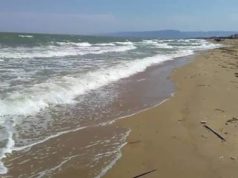
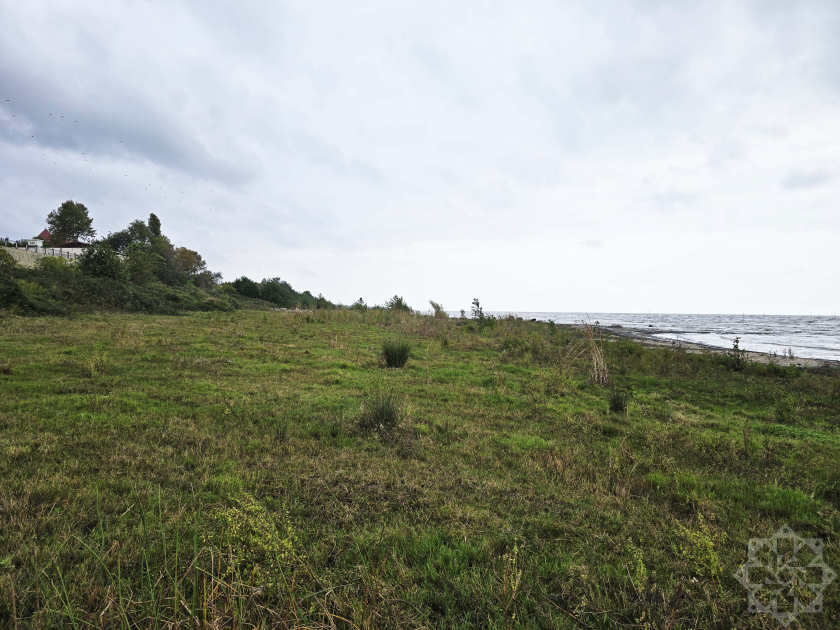
As a result of the Caspian Sea’s retreat in recent years, areas in Lankaran that were once submerged underwater have dried up, giving rise to a new natural landscape. Green belts have emerged across these lands, with various species of plants and trees spreading.
Sea-news.az reports that the landscape in the village of Kanarmesha in Lankaran is particularly striking. These areas, which were underwater just a few years ago, have been transformed into lush greenery following the sea’s recedence.
According to local residents, the green coverage in the area has expanded even further over the past year. Alongside various flora native to the local landscape, hazelnut, walnut, mulberry, fig, and other fruit-bearing trees are flourishing. Persian ironwood trees reaching heights of 3–4 meters can also be found in the area. These trees were not planted by human intervention but grew naturally.
According to experts, the formation of vegetation on dry land emerging from the retreat of the sea is a natural ecological process. Soil characteristics, humidity levels, climatic conditions, and seed dispersal create favorable circumstances for the growth of new plant cover.
Ecologist Nazim Mammadov stated that the formation of a new ecosystem on the dried-up land in Lankaran’s coastal regions is driven by natural processes. The presence of surrounding forests, mountainous areas, and various fruit trees facilitates seed dispersal, with seeds being carried into the area via water flows and birds.
According to the ecologist, conditions were previously unsuitable for plant development in areas submerged under seawater. The high salinity of seawater weakened microorganism activity in the soil and restricted humus formation. However, following the sea’s retreat, heavy rainfall, and an increased presence of freshwater in the soil, a far more conducive environment for plant growth has been established.
Seeds and root systems existing within the soil began to adapt and grow under the new conditions. Consequently, green belts have formed in formerly submerged areas, accelerating the establishment of a new ecosystem.
Nazim Mammadov noted that the future of this ecosystem hinges on fluctuations in the level of the Caspian Sea. Should the sea level rise again and submerge these coastal areas, the newly formed vegetation cover could be destroyed.