BP has successfully completed a multi-well subsea intervention program in the Deepwater Gunashli area of the Azeri-Chirag-Gunashli (ACG) field.
Sea-news.az reports that the program, which commenced in the fourth quarter of 2025, was safely completed ahead of schedule. Within the framework of the program, intervention operations were carried out on seven subsea wells.
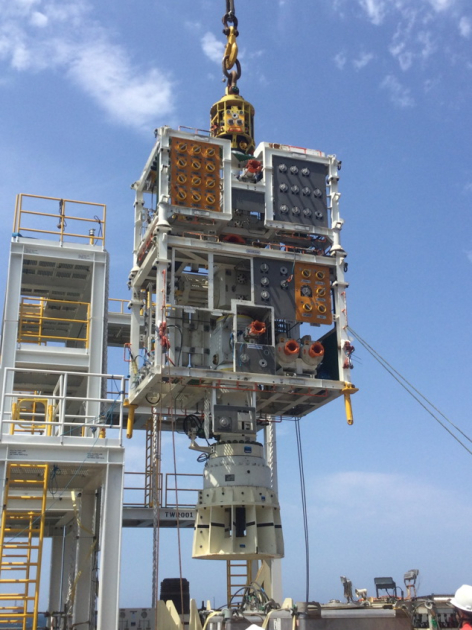
During the subsea intervention work, Riserless Light Well Intervention (RLWI) technology was utilized for the first time in bp’s Caspian operations. Known as the Blue Ocean Riserless Intervention System (BORIS), this technology is Oceaneering International’s subsea wireline intervention system.
The technology enables access to subsea wells without using conventional drilling risers. Throughout the program, it provided well control, pressure containment, and the execution of all subsea intervention operations.
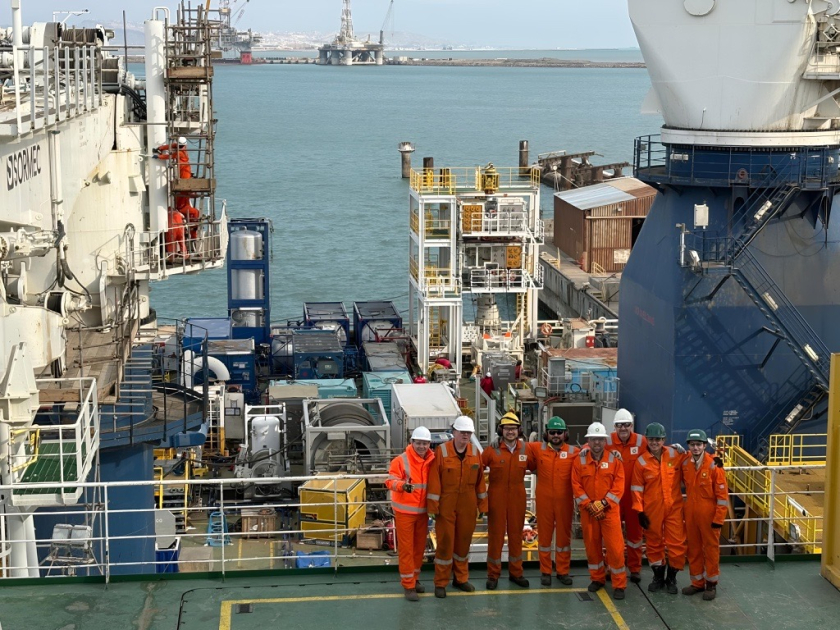
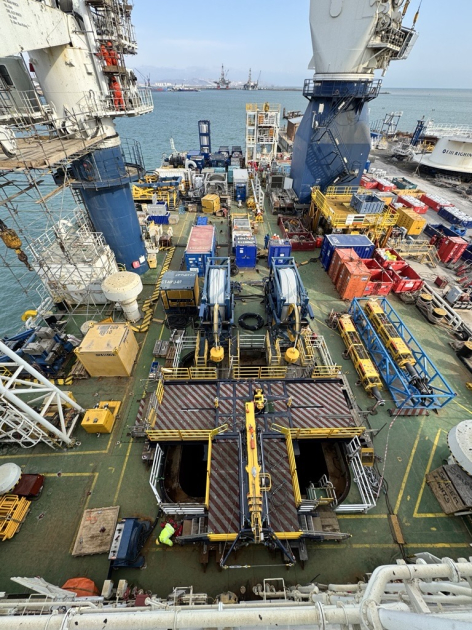
Intervention work on the wells was performed from the “Khankendi” subsea construction vessel. To enable this, the RLWI system was integrated onboard, allowing the “Khankendi” to support the project as a light well intervention vessel. The application of this technology was also a first in the Caspian Sea.
One of the key innovations of the project was the installation and first-time use of a moonpool system on the “Khankendi” vessel. Located near the vessel’s center, the moonpool creates a vertical passage through the middle of the hull directly into the sea, allowing subsea equipment, remotely operated underwater vehicles (ROVs), and well intervention tools to be safely lowered to the seabed.
Under the program, operations were successfully executed on seven subsea wells where interventions were considered difficult using conventional methods.
According to the company, the program enabled closer monitoring of the wells, reservoir pressure management, and the identification of opportunities to enhance production levels. Thus, it supported efforts to unlock the future potential of the ACG field.