Important measures are being implemented in the Republic of Azerbaijan towards the development of production and processing sectors in agriculture, fisheries, and aquaculture. By the decree of President Ilham Aliyev dated May 25, 2026, the “State Program for the 2026–2030 years on the development of production and processing sectors of agriculture, fisheries, and aquaculture in Azerbaijan” was approved.
Sea-news.az reports that along with increasing the competitiveness of agricultural products, accelerating the transition to high-value-adding intensive farming, and further strengthening food security, the state program also outlines measures related to applying modern technologies in the fisheries and aquaculture sector, expanding the financial capabilities of farms, and supporting investment projects.
In recent years, a series of steps have been taken to develop fisheries and aquaculture in the country, protect and increase fish stocks, and improve management in the field. The establishment of the Fisheries and Aquaculture Center under the Ministry of Agriculture is one of the measures implemented in this direction. The center’s areas of activity include ensuring the development of fisheries and aquaculture in the country, increasing fish stocks, improving the operations of fishery farms, and applying modern management mechanisms. Initial registration of fishery farms and the issuance of relevant certificates are also carried out across the country, allowing for systematic registration of farms and increased transparency in the sector.
To stimulate the development of the fisheries and aquaculture sector, subsidies based on relevant criteria are scheduled to be implemented starting next year. This mechanism is expected to create opportunities for increasing production on farms, applying modern technologies, and encouraging investments in the sector.
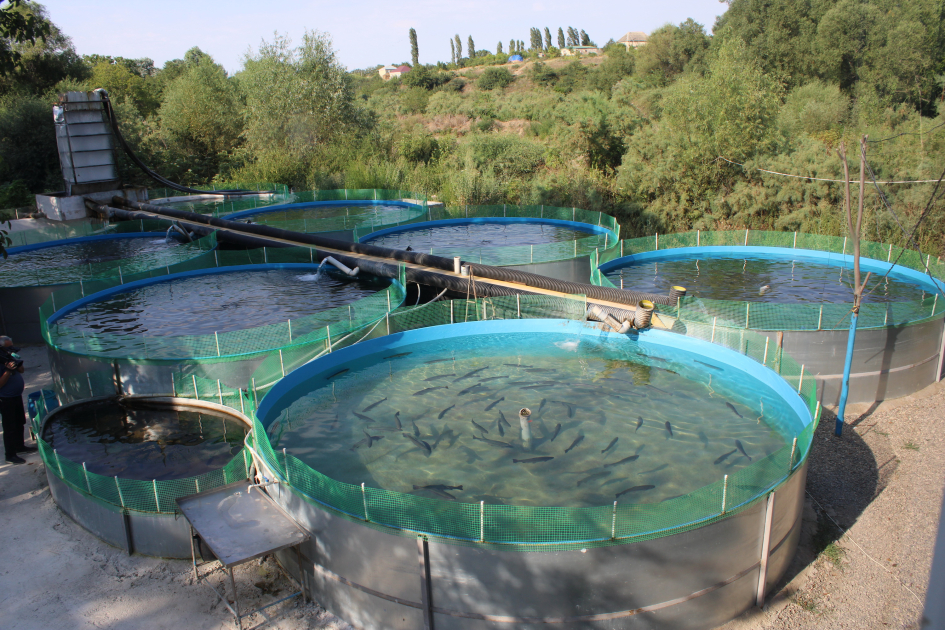
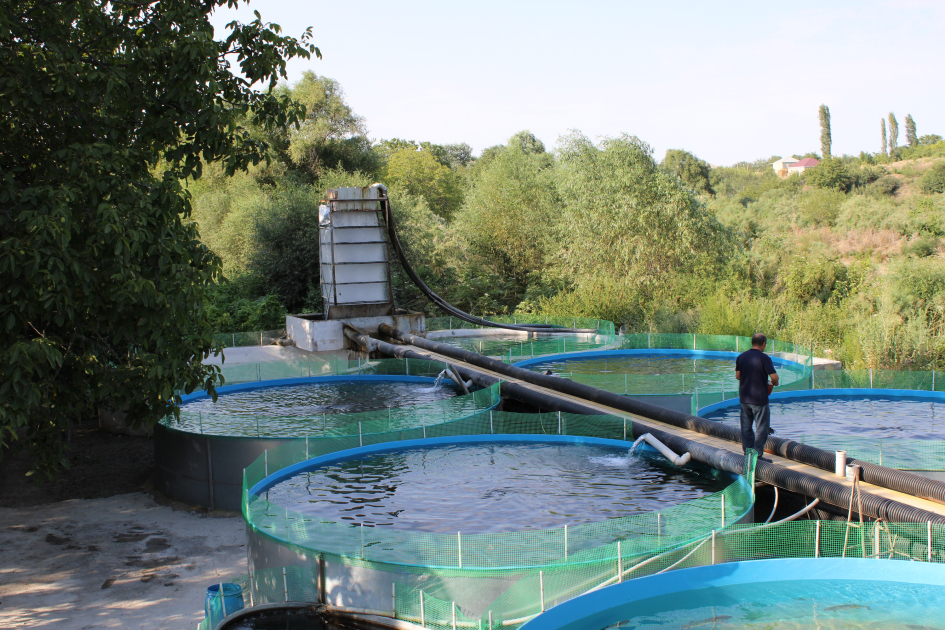
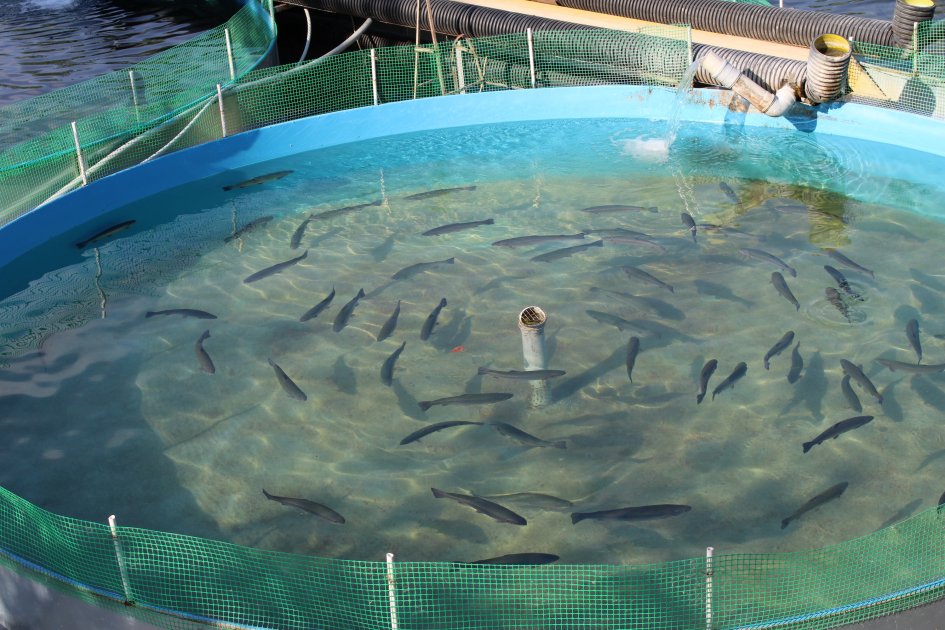
State-level attention is also expanding the development prospects of fishery farms operating in the western region. One such farm, which has been operating for 14 years in the region and mainly breeds trout, is working to expand its production by utilizing available opportunities.
Farm head Gazanfar Yusifov noted that the temperature of the water source in the area is favorable for trout breeding. The temperature of the water used on the farm is approximately 14 degrees Celsius, which is why trout was preferred over other fish species.
Currently, the farm’s annual production capacity is up to 20 tons. However, due to rising air and water temperatures during the summer months, it has not been possible to fully reach this target.
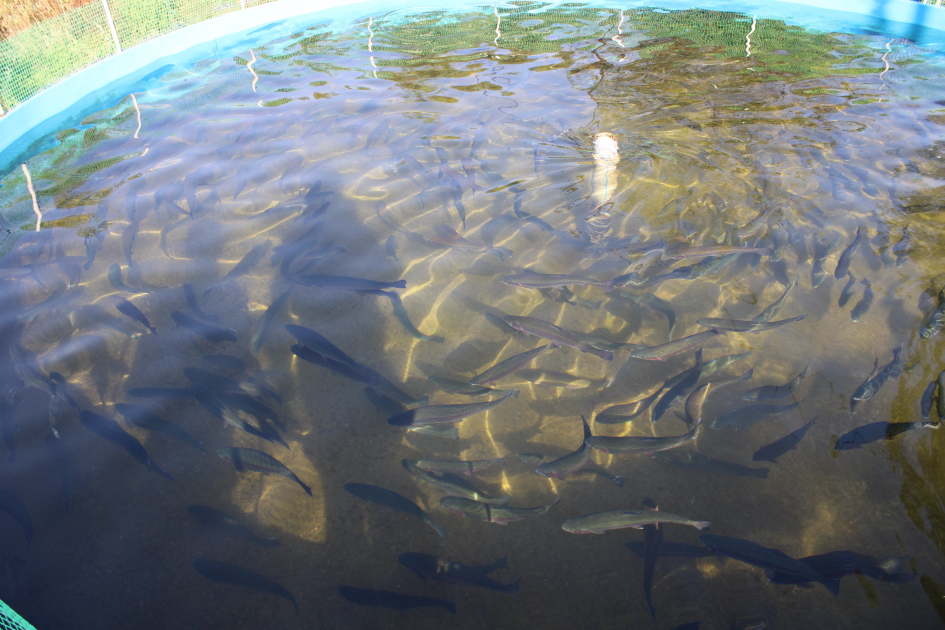
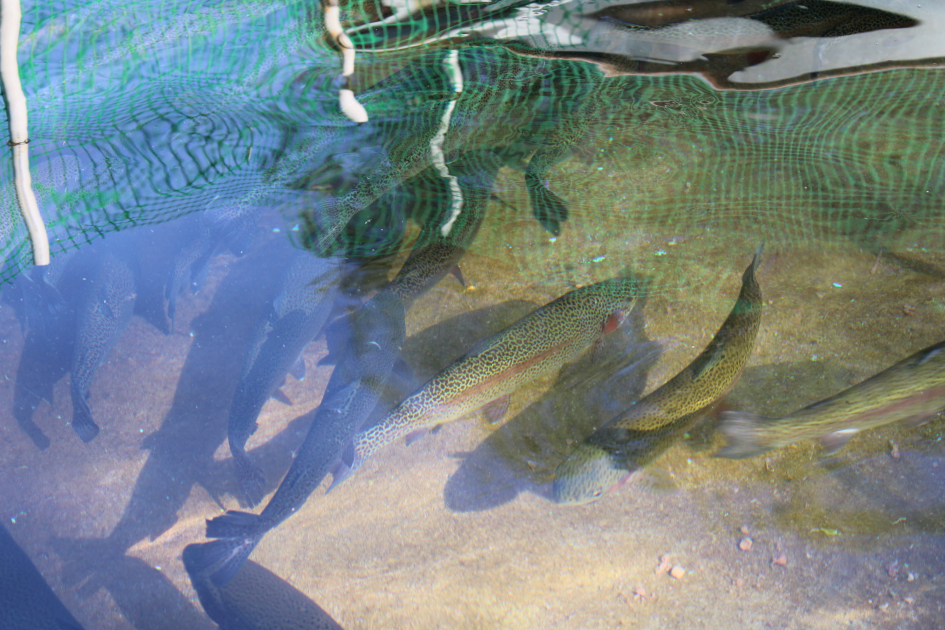
“Consumer preferences vary by region. In some places, fish weighing 200–300 grams are preferred. In our region, however, there is a demand for larger trout. Therefore, we mainly bring the fish to a weight of one kilogram or more before putting them on sale,” said G. Yusifov.
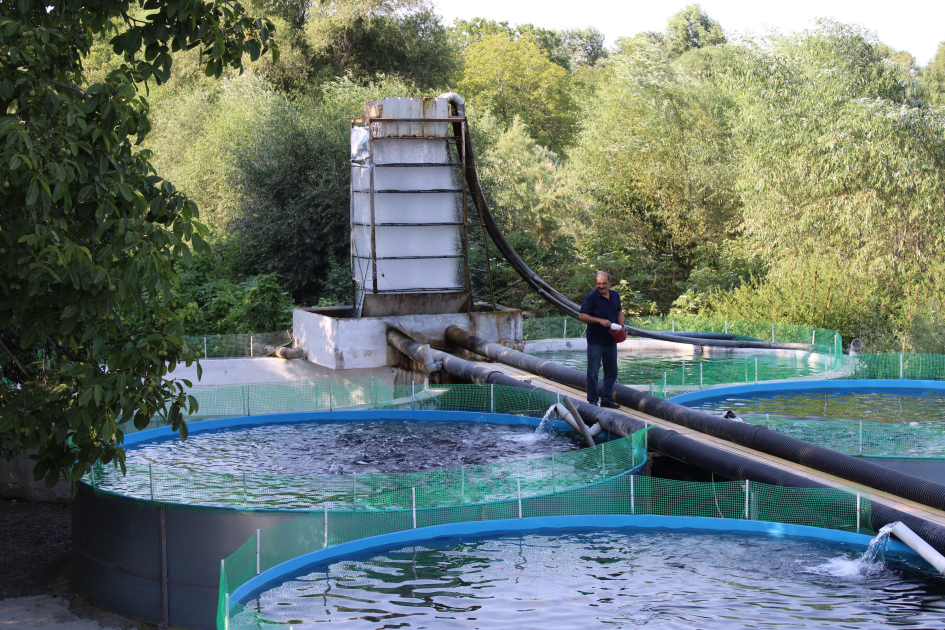
According to him, it takes approximately 1 year and 6 months for a trout brought to the farm at a weight of 100 grams to reach one kilogram. The fish are acquired from large-scale farms operating within the country, grown here, and put on sale. Feeding trout also requires a special approach; the farm uses specialized feeds for this species, preferring German-made “Aller” brand feed.
The farm manager stated that as long as water quality and cleanliness are maintained and feeding is carried out properly, there is no need for additional vitamins and preparations. Since trout is a fish species that requires clean and oxygen-rich water, the continuous supply of electricity to the farm is of crucial importance.
“Trout is an oxygen-loving fish adapted to river conditions. To raise healthy fish, it is essential that the water is constantly enriched with oxygen. Therefore, we depend on electricity. While we use solar panels during the day, the main load falls on the electrical grid during evening hours,” G. Yusifov emphasized.
Solar panels are also utilized on the farm, though electricity demand increases, especially during hot weather, due to the operation of air conditioners.
G. Yusifov noted that obtaining the relevant certificate is mandatory for farms operating in the aquaculture sector. He stated that he acquired this document with the support of the Ministry of Agriculture and local relevant authorities, encountering no bureaucratic obstacles during the process.
One of the issues faced by the farm is limited access to an ichthyologist specialist. According to him, a specialist in this field is needed in terms of timely identifying diseases and taking preventive measures.
Currently, one kilogram of trout is sold for 14 manats at the farm. The product is mainly realized in the domestic market, and according to the farm manager, there are no sales issues as consumers purchase the product directly from the farm.
Measures implemented regarding the development of the fisheries and aquaculture sector in the country have also influenced the farm’s future plans. Currently, increasing production, expanding the farm, and breeding additional fish species are envisioned.