



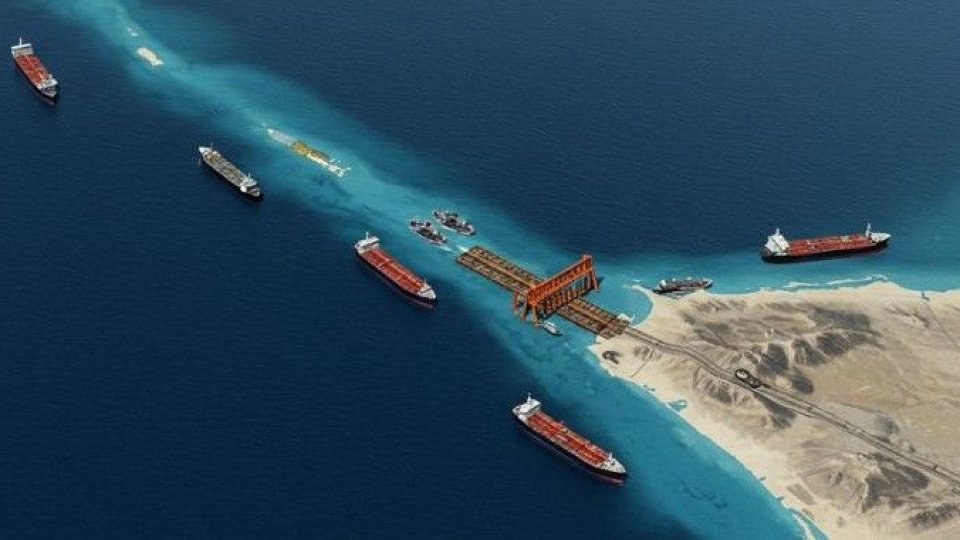
Vitol CEO Russell Hardy outlines fragile supply dynamics and severe product deficits stemming from the Strait of Hormuz
Daily shipments through the strategic Strait of Hormuz average approximately 10 million barrels, comprising roughly 9 million barrels of crude oil and the remainder in refined petroleum products.
Sea-news.az reports citing international media, that this assessment was shared by Russell Hardy, Chief Executive Officer of Vitol Group.
Hardy noted that a steady, uninterrupted daily flow of 10 million barrels through Hormuz cannot be taken for granted, as transit volumes heavily rely on tanker availability, marine insurance stability, and the willingness of ship captains and crews to operate under high-risk conditions. Nevertheless, this volume remains vital to keeping existing global refining capacities adequately supplied.
“While crude oil market forecasts appear relatively balanced, refined product markets are exhibiting clear signs of severe tightening,” Hardy stated. “Pricing in fuel markets remains highly uncertain and difficult to project accurately, as the current environment is exceptionally volatile and tense. Furthermore, global petroleum product inventories are sitting near historic lows and continue to drain. There is simply insufficient global refining capacity to curb these ongoing inventory draws while we continue to consume surplus stocks worldwide. The loss of refined product exports from the Middle East and Russia has driven fuel markets into a much deeper and more precarious crisis than crude oil itself.”



