



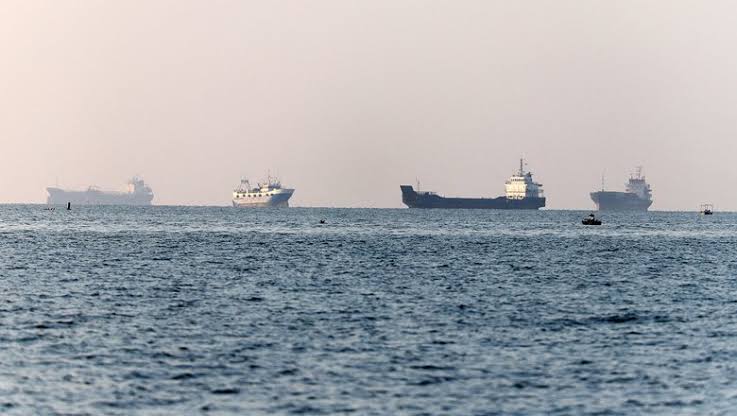
Iraq shifts from crisis management to adaptation as it seeks alternative export routes bypassing the Strait of Hormuz
Iraq has transitioned from dealing with the immediate impacts of the Hormuz crisis to a phase of crisis adaptation and risk mitigation.
Sea-news.az reports that this was stated by Muzhir Mohammed Saleh, Advisor to the Iraqi Prime Minister, in an interview with the Iraqi News Agency.
He noted that the government is actively working to maintain crude oil export volumes at pre-war levels by pivoting toward transport routes that bypass the Strait of Hormuz entirely.
Addressing plans for constructing new pipelines and establishing alternative supply sources, the Iraqi official emphasized that this forms a core component of the state’s strategy to insulate its petroleum policy and marketing framework from regional geopolitical conflicts.
Saleh stated that if the crisis in the Strait of Hormuz persists, Iraq is fully prepared to reroute its oil exports through neighboring countries. This shift represents a structural transformation in the nation’s energy export logistics, moving away from historical vulnerabilities.
According to Saleh, Iraq is striving to sustain its prior export benchmark of 3.4 million barrels per day. Historically, 80 to 85 percent of this volume was funneled directly through the Strait of Hormuz, but ongoing security challenges have made diversifying outward transit corridors an urgent national priority.



