



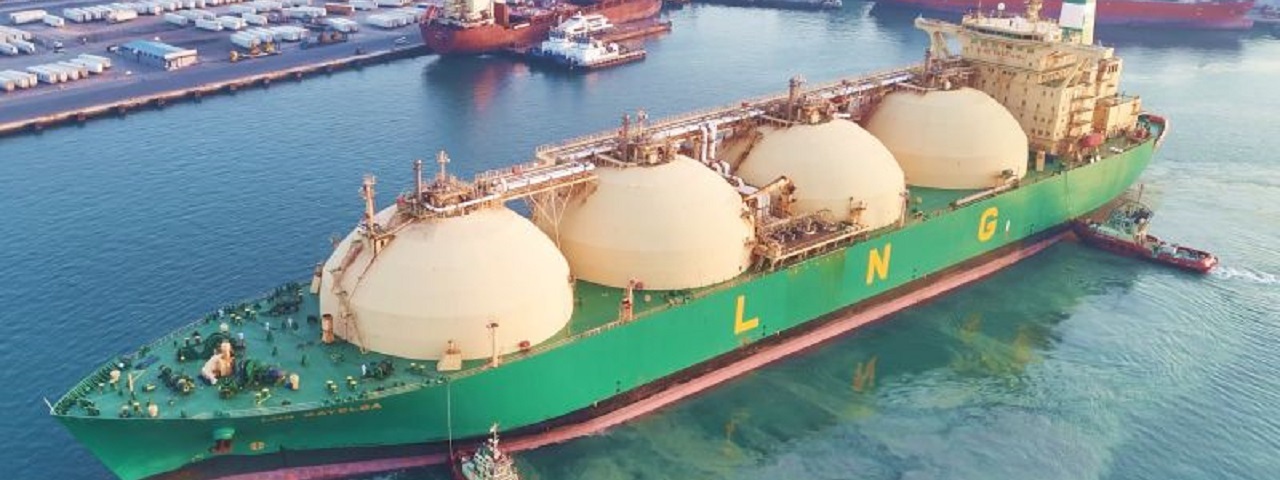
LNG transport through the Strait of Hormuz plummets by 92 percent
Liquefied natural gas (LNG) shipments through the Strait of Hormuz have suffered a staggering 92 percent reduction.
Sea-news.az reports that while daily crude oil transport through the strait stood at 21.6 million barrels in the final quarter of last year, it dropped to 4.9 million barrels per day in the second quarter following the outbreak of the U.S.-Iran conflict. Over the same period, LNG flow plunged from 10.5 billion cubic feet per day down to just 800 million cubic feet. Consequently, while oil volumes through the strait fell by 77 percent, the decline in LNG shipments reached 92 percent, underscoring a disproportionately severe disruption to liquid gas transit.
According to data from the Gas Exporting Countries Forum (GECF), the Strait of Hormuz serves as the sole maritime export gateway for Qatar and the United Arab Emirates (UAE), accounting for roughly one-fifth of global liquid gas supplies. Escalating hostilities heavily impacted the global LNG market between March and June, resulting in more than 300 Qatari and approximately 20 UAE LNG cargoes failing to load or transit.
Data from analytics firm Clarksons Research highlights how this disparity translates directly into vessel traffic. During the week of June 21–27, 66 crude oil tankers and 16 LNG carriers traversed the strait; however, by the week of August 23–29, crude tanker transits plummeted to just 4 vessels.
While alternative routes—such as Saudi Arabia’s East-West Crude Oil Pipeline (“Petroline”) routing supplies to the Red Sea port of Yanbu—helped cushion the blow for oil (with daily flows through the Bab el-Mandeb strait rising from 5.4 million to 8.1 million barrels), LNG infrastructure lacks this flexibility.
Industry experts note that structural differences dictate these varying impacts. Crude oil benefits from a larger, more adaptable tanker fleet and extensive storage capabilities. Conversely, LNG requires cryogenic cooling to approximately minus 162 degrees Celsius, restricting vessel mobility, specialized fleet availability, and short-term substitution options since most liquefaction facilities worldwide operate at maximum capacity. Security risks in the strait continue to exert heavy downward pressure on energy logistics, hitting the LNG supply chain far harder than conventional oil shipping.



