



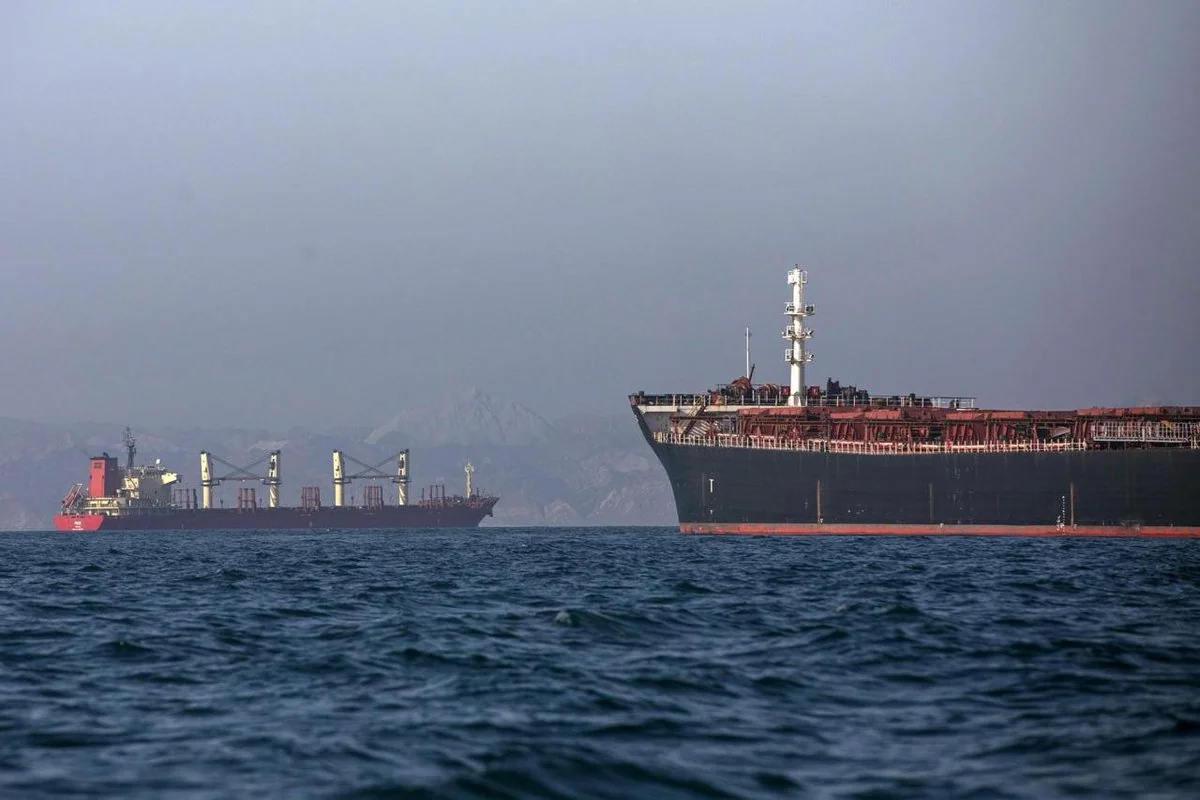
The Strait of Hormuz is not part of the area of responsibility of the U.S. Central Command (CENTCOM); it is a strategic waterway directly under Iran’s control.
According to sea-news.az this was stated by Iran’s Deputy Foreign Minister Kazem Gharibabadi in a post on his “X” (formerly Twitter) social media account.
Addressing the military presence in the region, the Iranian official noted:
“The Bahrain Defense Forces cannot establish legal order and security for the Persian Gulf. Real regional security can only be ensured by ending foreign interference, the complete withdrawal of the U.S. military from the region, respect for the sovereignty of states, and the acceptance of new geopolitical realities. No stability can be created in the region under an American military umbrella.”
With this sharp statement, Kazem Gharibabadi was responding to an official statement issued by CENTCOM regarding the results of a high-level military meeting held in Bahrain.
The Bahrain Meeting and CENTCOM’s Statement
As a reminder, the U.S. Central Command (CENTCOM) led a regional security dialogue in Bahrain on July 1. CENTCOM’s statement highlighted the following points regarding regional cooperation:
High-Level Participation: CENTCOM Commander Brad Cooper and senior military officials from Bahrain, Egypt, Jordan, Kuwait, Lebanon, Oman, Qatar, Saudi Arabia, Syria, the United Arab Emirates, and Yemen discussed the current regional security environment and joint defense capabilities. This event was notable for the first-ever participation of Syrian and Lebanese military personnel in a U.S.-led defense conference.
Commitment to Trade: The meeting expressed a commitment to the free and unimpeded flow of global trade through the Strait of Hormuz.
Defense Coordination: It was stated that the U.S. and its regional partners operate an advanced missile defense system in the Middle East. In this framework, a new Middle East Air Defense coordination unit was established in January of this year to facilitate information exchange, share threat warnings, and provide rapid responses to crisis situations.



