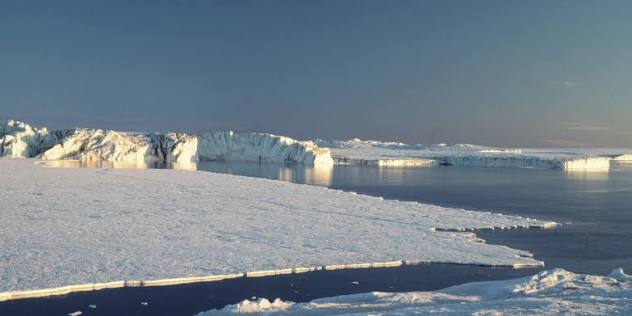
The shrinking of Antarctic sea ice has disrupted the ocean’s freshwater circulation, causing Antarctic Intermediate Waters to become saltier and denser. These shifts could drive deep-ocean warming and contribute to sea-level rise.
Sea-news.az reports citing a study published in the journal Nature Climate Change.
According to research led by scientists at the University of Melbourne, Antarctic ice loss between 1995 and 2015 fostered a distinct freshwater layer in the ocean. However, from 2016 to 2024, the reduction of sea ice diminished this freshwater influx, ultimately causing the water layer to grow saltier, denser, and sink deeper.
Researchers warn that these changes could weaken the ocean’s carbon storage capacity, while existing climate models may underestimate both deep-ocean warming and regional sea-level rise.