



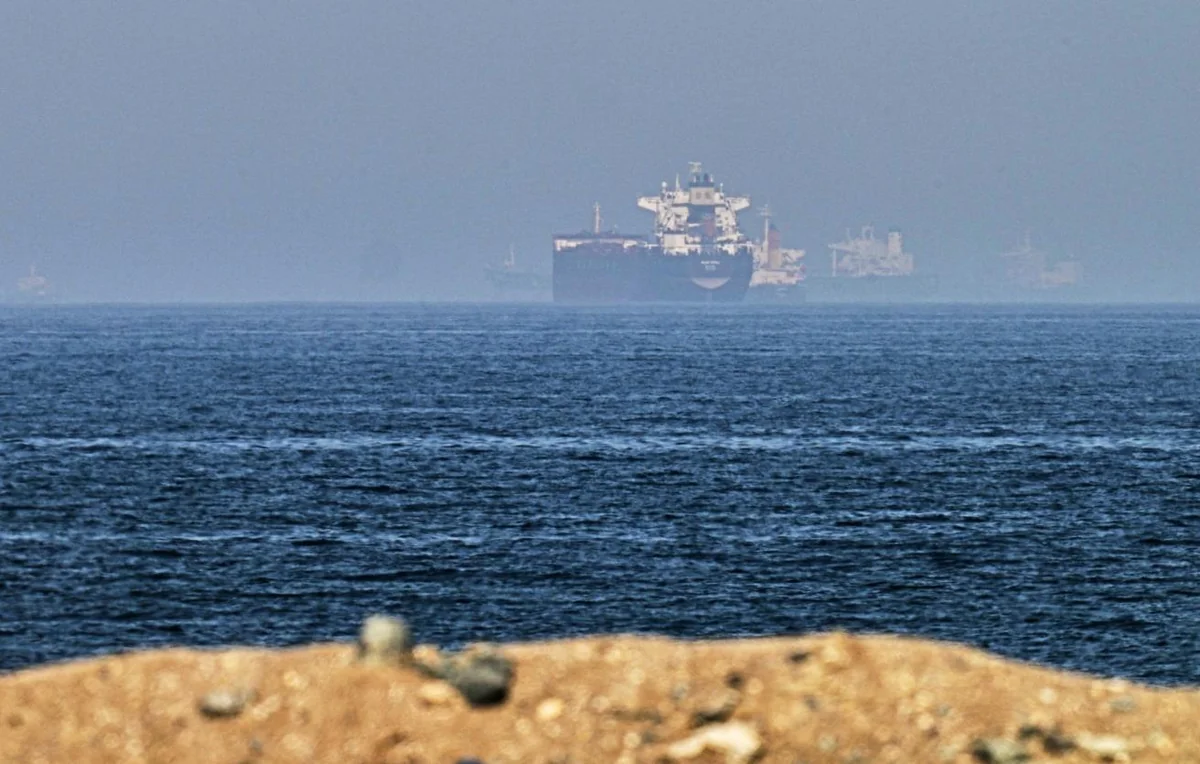
Jebel Ali, located in the United Arab Emirates and considered the largest maritime port in the Middle East, is on the brink of a crisis due to the blockade of the Strait of Hormuz.
Sea-news.az reports citing the British publication Financial Times, that this information has been released.
According to the report, following the outbreak of the conflict around Iran, the volume of cargo transported through this port—which is considered a pillar of Dubai’s economy—has decreased by more than 90 percent. The publication notes that this situation is occurring against the backdrop of a weakened shipping activity in the strait: whereas 135 ships passed daily before the US war against Iran, this figure has now dropped to an average of 17.
Together with its free economic zone, Jebel Ali accounts for more than a fifth of Dubai’s gross domestic product (GDP). In 2025, 30 percent of the revenue of state-owned company DP World came from this very port. The leadership of the UAE is searching for alternative routes outside the Strait of Hormuz.
DP World plans to construct two new ports in Fujairah, on the coast of the Gulf of Oman. However, experts remain skeptical about whether they can replace Jebel Ali.
The article points out that this port possesses not only high throughput capacity but also a highly developed transport infrastructure.
Jim Krane, an energy expert at Rice University, commented on the port’s significance as follows: “Without Jebel Ali, the Dubai we know today would not exist.”



