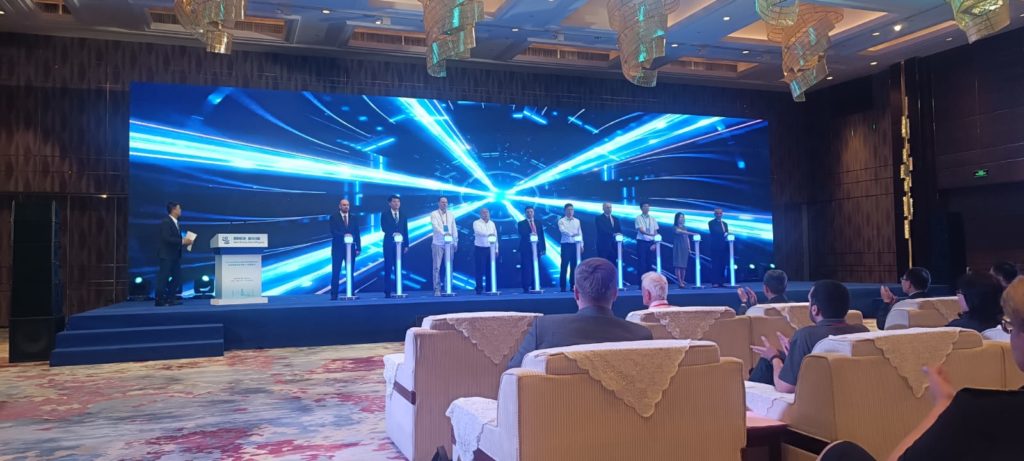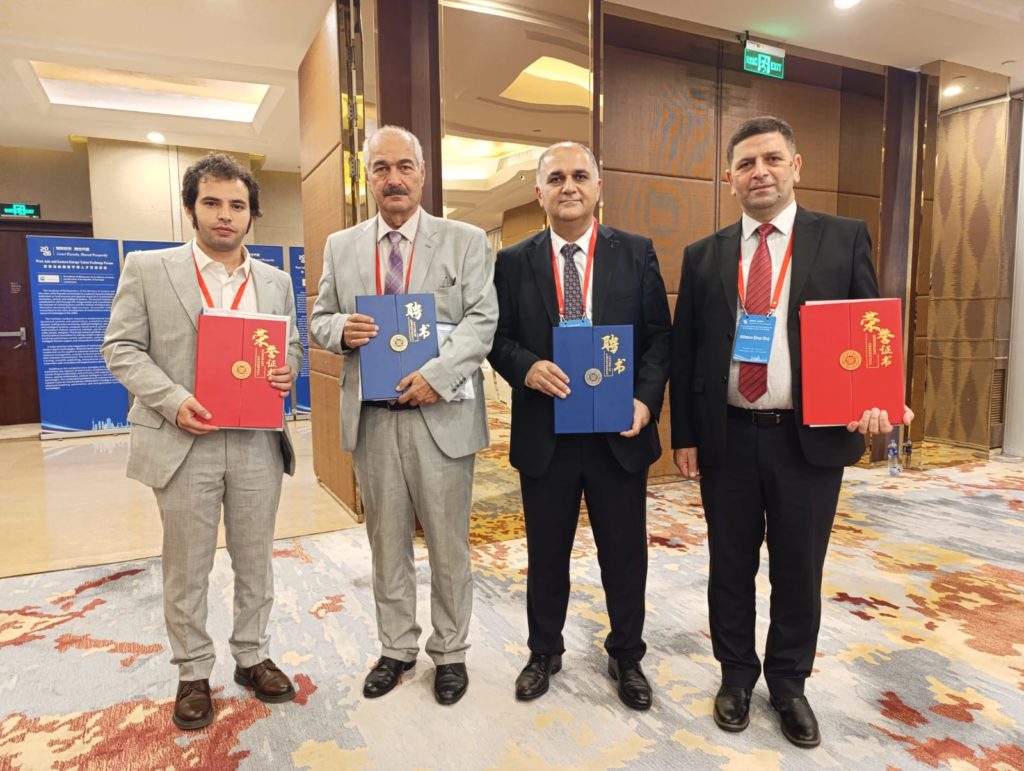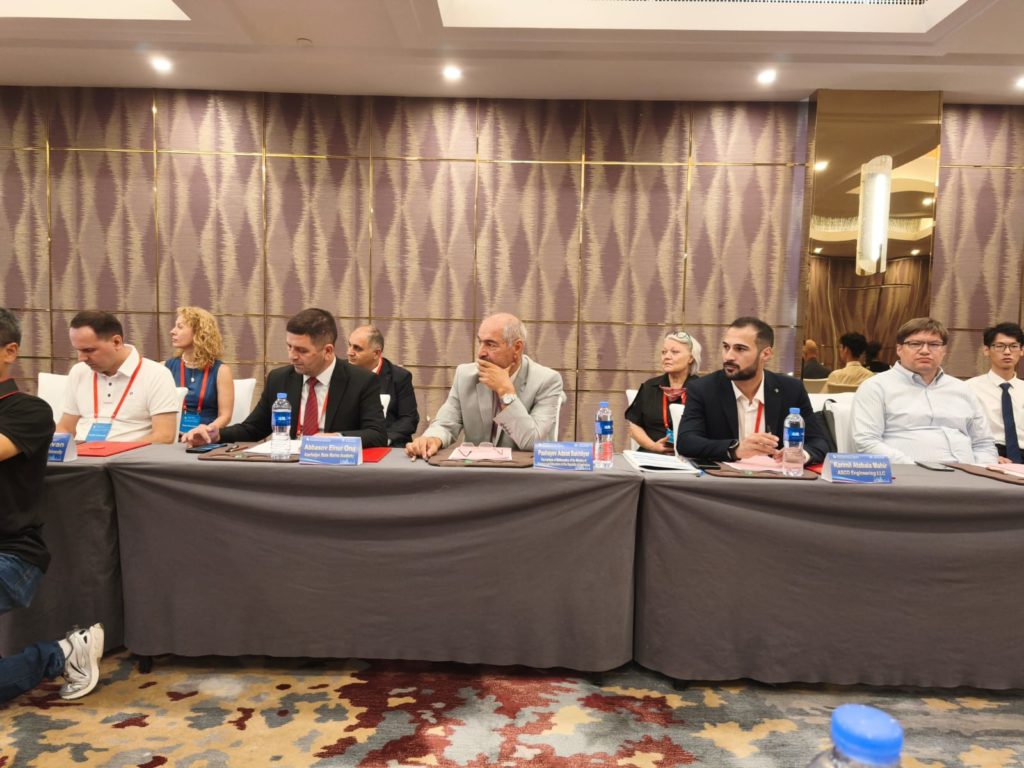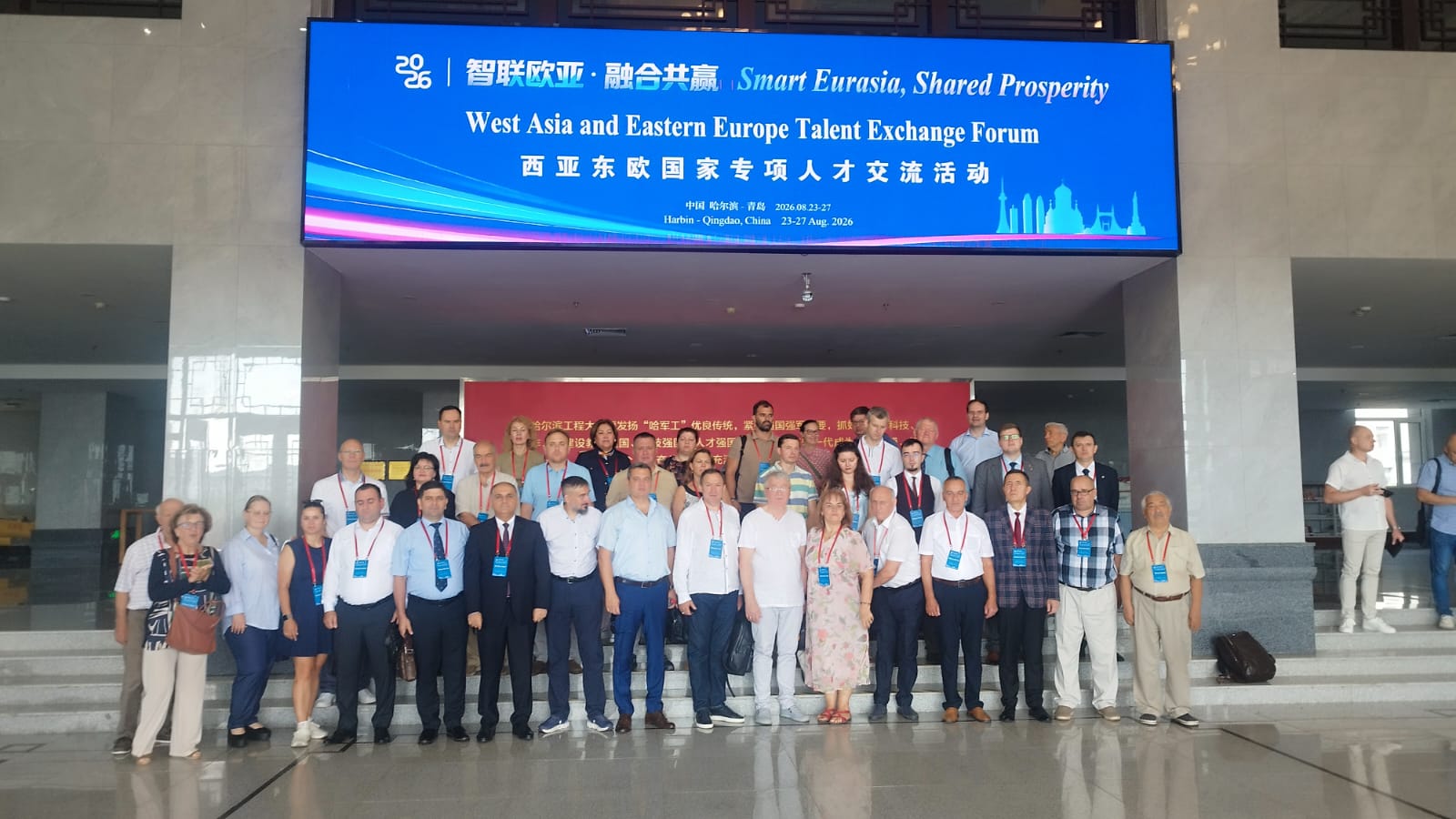
A delegation from the Azerbaijan State Maritime Academy (ASMA) undertook a business trip to the People’s Republic of China from August 22 to 28, 2026. The visit took place within the framework of the Western Asia and Eastern Europe Personnel Exchange Forum, held under the motto “Smart Eurasia, Common Prosperity” across the cities of Harbin and Qingdao.
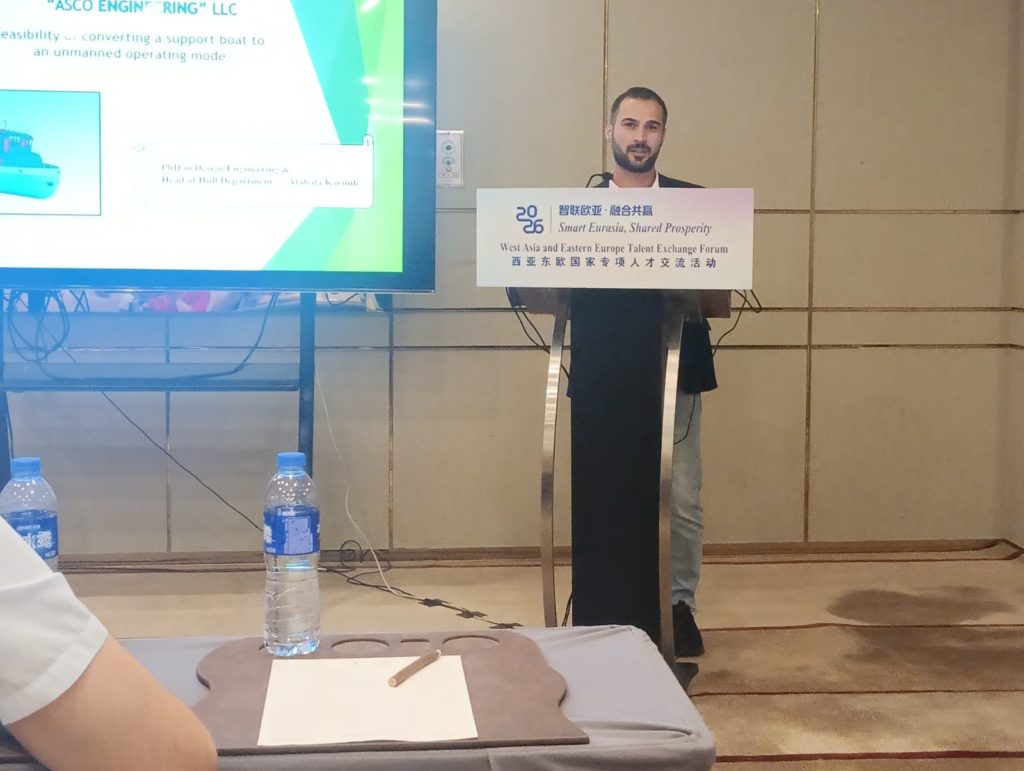
Sea-news.az reports citing ASMA, that the forum—organized by Harbin Engineering University and its Qingdao Innovation and Development Base—featured leading universities, research institutes, and maritime industry companies from Azerbaijan, China, Great Britain, Ukraine, Moldova, Belarus, Georgia, Kazakhstan, Romania, Bulgaria, and Croatia. Azerbaijan was represented by a delegation comprising delegates from ASMA, “ASCO Engineering,” and the Institute of Mathematics and Mechanics of the Ministry of Science and Education.
Harbin Stage: Laboratories, Robotics, and Advanced Research
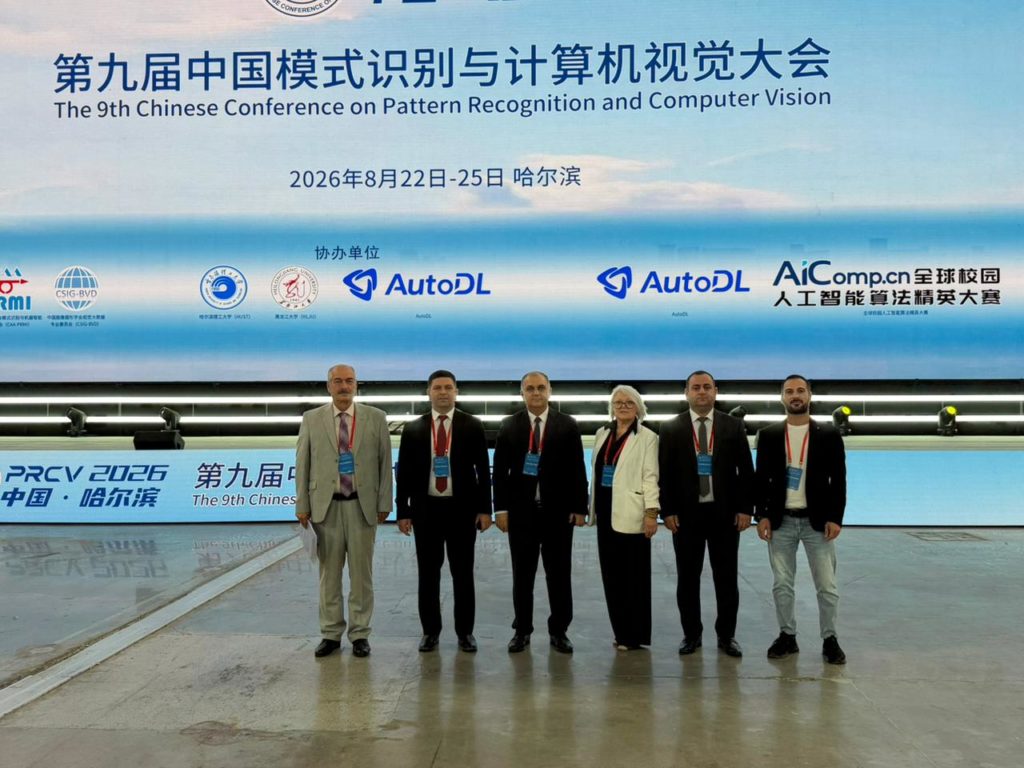
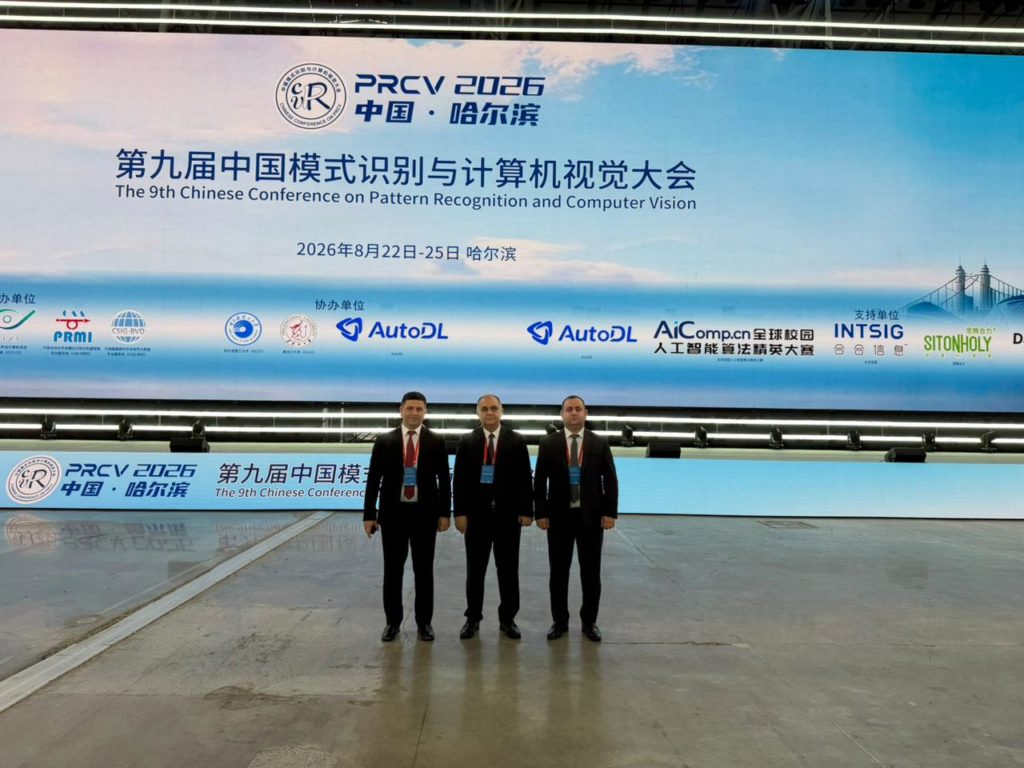
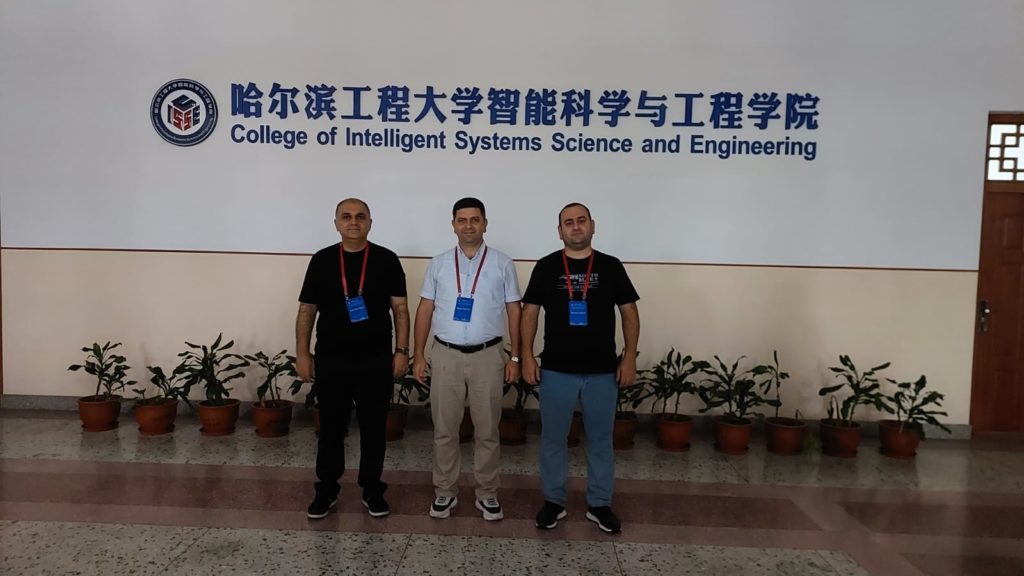
On August 23, the ASMA delegation participated in the 9th China Conference on Image Recognition and Machine Vision (PRCV 2026), hosted by Harbin Engineering University. The delegates also toured the university’s College of Intelligent Systems Science and Engineering and its Maritime Museum.
The delegation familiarized itself with the college’s operations—which house 15 national and ministerial-level educational-scientific platforms and over 10 laboratories created in partnership with international corporations. Notably, the center features China’s first DP3-level dynamic positioning system, allowing the ASMA team to study operational workflows in robotics, Industry 4.0, intelligent vehicles, and student innovation team models. The Harbin phase concluded on August 25 with visits to an industrial gas turbine manufacturing enterprise and a modern computing center.
Qingdao Stage and Strategic Presentation
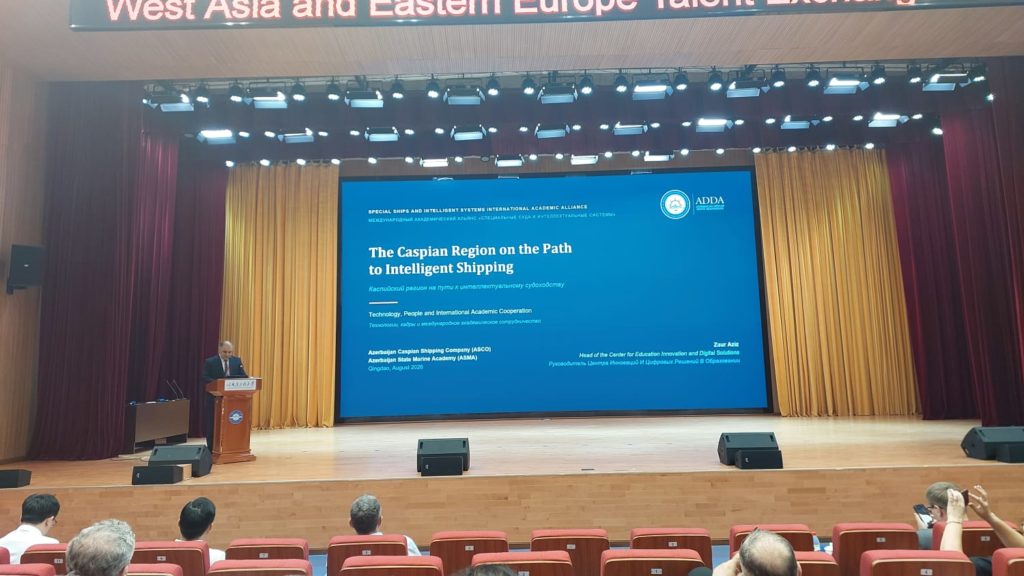
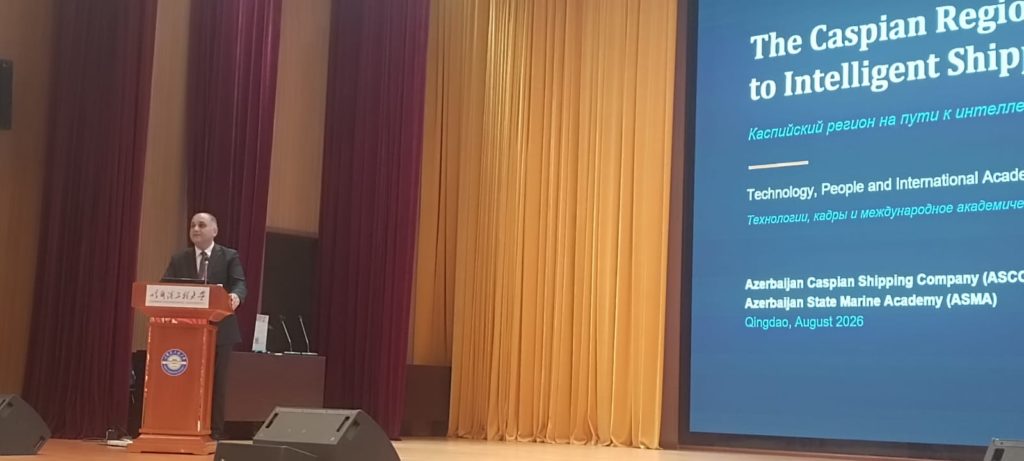
On August 26, the forum continued in Qingdao, where ASMA delivered a comprehensive presentation titled “Towards Intelligent Shipping in the Caspian Region: Technologies, Training, and International Academic Cooperation.”
The presentation highlighted the unique operational environment of the Caspian Sea—characterized by closed-basin dynamics, seasonal icing, shallow waters, and a delicate ecosystem—which necessitates specialized shipping solutions. Furthermore, the academy highlighted its operations within the “Azerbaijan Caspian Shipping” CJSC (ASCO) structure, the alignment of its educational processes with International Maritime Organization (IMO) and STCW Convention standards, and the extensive capabilities of its modern training simulator center. The presentation generated strong interest, leading to concrete cooperation proposals from foreign academic and industry representatives.
Key Areas of Strategic Alliance and Future Cooperation
Membership in the international alliance unlocks wide-ranging opportunities for ASMA across several key strategic directions:
- Joint Training and Specialization: Organizing internationally certified joint training modules and short-term professional courses leveraging ASMA’s simulator base and Training Center.
- Priority Scientific Research: Conducting collaborative studies on designing specialized vessels for closed and shallow basins, autonomous navigation in constrained environments, hydrodynamics, energy efficiency, marine environmental monitoring, and high-qualification personnel provisions for intelligent shipping.
- Scientific Integration and Laboratory Concept: Implementing ASMA’s scientific activity tracking system as a platform for monitoring joint research outcomes and developing a joint laboratory concept for “Caspian Intelligent Marine Systems.”
- Academic Exchange: Facilitating student and faculty exchanges, producing joint scientific publications, and organizing international symposia and conferences.
These historical agreements and alliance memberships are expected to significantly contribute to ASMA’s integration into global scientific networks, the widespread adoption of AI and digital technologies in maritime education, and the strengthening of the Caspian region’s maritime personnel potential.