



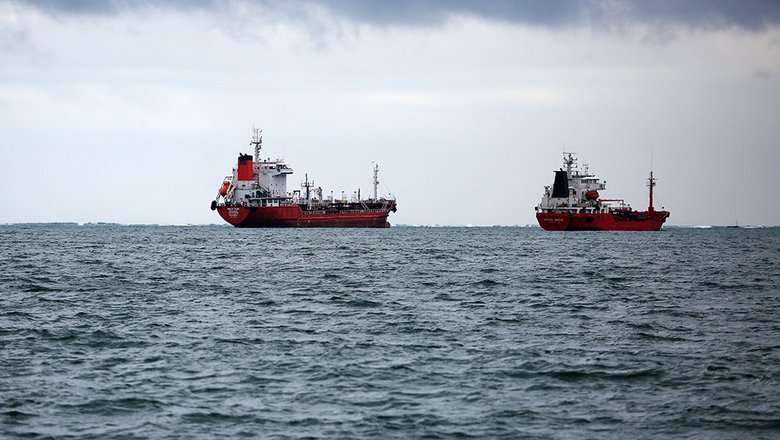
The volume of crude oil and other petroleum products transported through the Strait of Hormuz dropped to an average of 4.9 million barrels per day in the second quarter of this year, compared to a pre-conflict daily average of 21.6 million barrels in the final quarter of 2025.
Sea-news.az reports that this information comes from a report by the U.S. Energy Information Administration (EIA).
The EIA noted that the Bab al-Mandab Strait is both a crucial transit point in global oil trade and one of the alternative routes for Saudi Arabia to export oil without using the Strait of Hormuz. Although Saudi Arabia has the option to redirect shipments through Egypt’s Suez Canal and the Sumed (Suez-Mediterranean) pipeline, these alternatives are longer, more expensive, and have limited capacity.
The report recalls that following the peace agreement signed between the US and Iran in June, the price of a barrel of Brent crude oil dropped to 69 dollars on July 2. However, the resumption of attacks on tankers passing through the Strait of Hormuz and the decline in oil shipments later in July caused prices to rise. The price of a barrel of Brent crude climbed to 105 dollars on July 23.
According to the EIA, the risk of a new blockade being imposed on Saudi Arabia’s oil exports through the Bab al-Mandab Strait has also impacted oil prices.
The report forecasts that ongoing disruptions in the Strait of Hormuz have caused a significant depletion of global oil inventories, and prices will remain high until oil flows return to normal and inventories are replenished. It is stated that global oil inventories decreased by an average of 4.2 million barrels per day in the second quarter of this year and are projected to decline by an average of 3.8 million barrels per day in the third quarter.
Taking these developments into account, the price of a barrel of Brent crude oil is expected to average 85 dollars in the third quarter. This forecast is 11 dollars higher compared to the projection in last month’s report. With the gradual increase in tanker traffic in the Strait of Hormuz and the restoration of production, oil prices are projected to fall to an average of 78 dollars per barrel in the fourth quarter.
At the same time, with the resumption of most suspended production and global oil inventories beginning to rise again in the first quarter of 2027, the price of Brent oil is expected to drop to an average of 69 dollars next year.



