



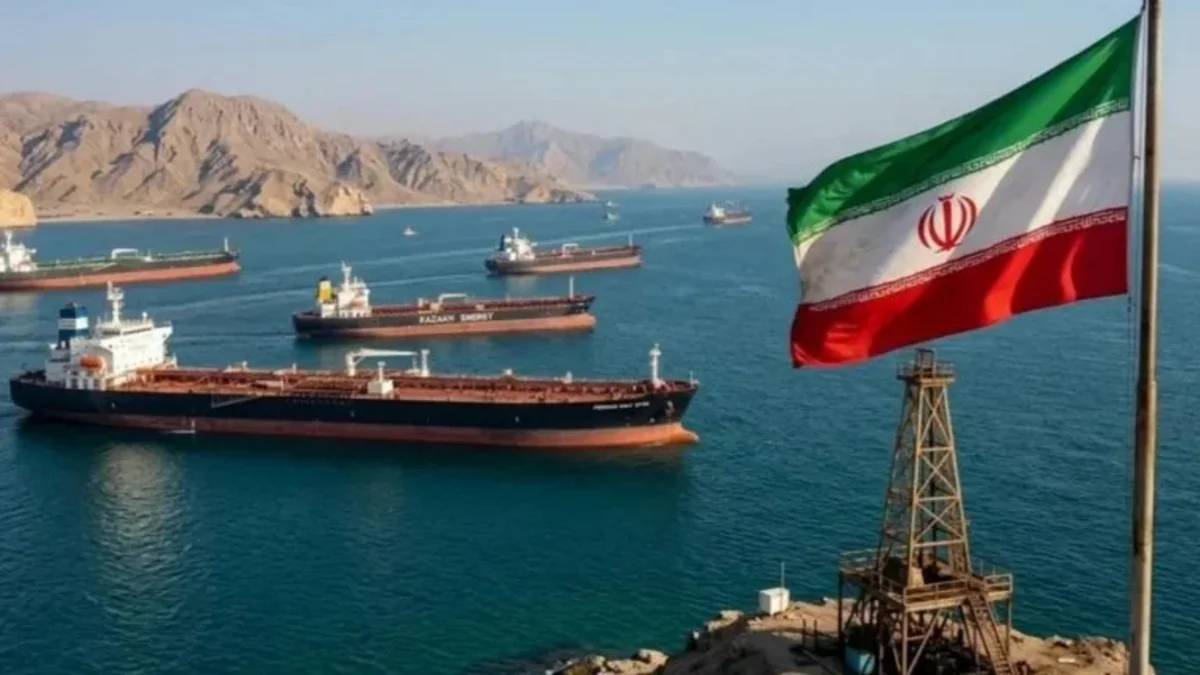
Irans new approach regarding the Strait of Hormuz has drawn attention from the perspectives of maritime law and international logistics. According to Deputy Foreign Minister Kazem Gharibabadi, Tehran does not intend to impose transit duties or passage taxes; however, it plans to charge fees for services provided in the strait.
According to sea-news.az, these services include navigation assistance, search and rescue operations, maritime security measures, and response to potential environmental pollution. The Iranian side presents this as a “service fee” model rather than a traditional “transit charge.”
Gharibabadi noted that this approach does not contradict the 1982 UN Convention on the Law of the Sea and that coastal states are legally entitled to request payment for certain services.
At the same time, he stated that negotiations with the United States are ongoing and the final text of any agreement has not yet been concluded. Tehran emphasizes that it will only accept a deal that fully aligns with its national interests. According to the statement, Iran is also demanding the immediate release of a portion of its frozen assets under any potential agreement framework.
This type of model, if implemented in practice, could have significant implications for logistics costs and geopolitical balances in the Strait of Hormuz—one of the most sensitive maritime trade routes in the world.



