There are approximately 20 truly ancient lakes across the globe, and one of them has already been effectively destroyed.
Sea-news.az reports that citing IFLScience, that this assessment was highlighted in a recent scientific feature.
According to researchers Yiza Xiən and Koen Martens, lakes are inherently transient geological features, as their basins gradually fill with sediment over time. Consequently, the vast majority of the hundreds of thousands of inland water bodies on Earth were formed less than 18,000 years ago.
Most lakes have relatively short lifespans. For instance, the Great Lakes in North America, formed by glacial erosion and meltwater accumulation, are only about 14,000 years old. However, a select group of ancient lakes has managed to persist for millions of years.
Scientists note that out of the roughly 20 ancient lakes worldwide, only two are located in the United States—Lake Tahoe and Tule Lake. Both are situated in a tectonically active region in the Western US, in or along the borders of California. Nevertheless, tectonic activity is not the sole requirement for lake longevity; some ancient lakes formed via meteorite impacts, such as the Pingualuit Crater Lake in Quebec, Canada.
Ancient lakes are of exceptional value to biologists because they preserve unique biodiversity and function as natural evolutionary laboratories operating over millions of years.
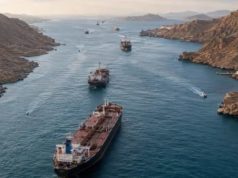
Lake Baikal in southern Siberia, estimated to be around 25 million years old, is recognized as the oldest lake on Earth. It is also the deepest lake globally, holding approximately 20 percent of the planet’s liquid unfrozen freshwater. Studies indicate that nearly 80 percent of the flora and fauna species in Baikal are endemic. However, Baikal is neither the largest lake by surface area nor total volume—that distinction belongs to the Caspian Sea, which is also categorized among the world’s ancient lakes.
One of the factors enabling the Caspian Sea to maintain its status as the world’s largest lake involves the historical impact of Soviet-era irrigation projects on other water bodies. Large-scale water diversions initiated in the 1960s severely depleted other major lakes.
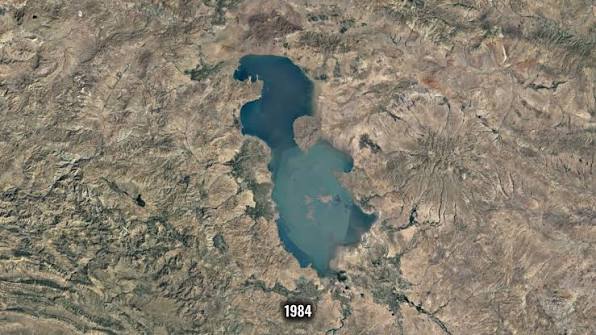
For instance, the ancient Aral Sea, situated between Kazakhstan and Uzbekistan, was once the world’s fourth-largest lake. However, increased water extraction for agriculture led to a drastic reduction in inflow. By the 1980s, the Aral Sea had split into the Large Aral and Small Aral. Decades later, the eastern basin of the Large Aral dried up completely, giving birth to the Aralkum Desert—now considered the youngest desert on Earth.