



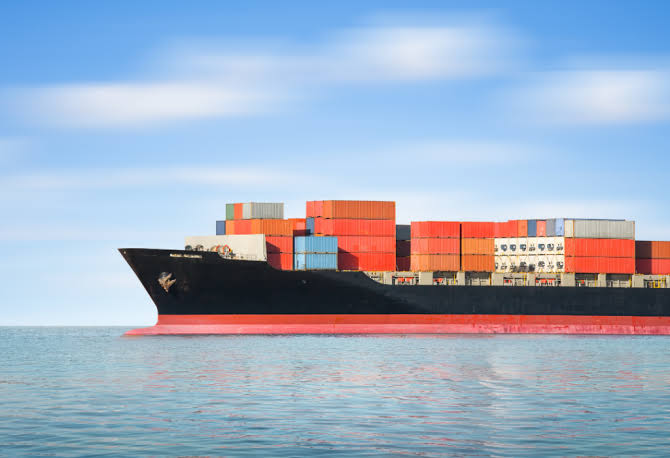
World maritime shipping faces mounting pressures from water shortages, geopolitical tensions, and climate change
Sea-news.az reports global maritime transport is facing increasingly severe strains due to shrinking water levels, geopolitical friction, and the impacts of climate change. While depleted water reserves in the Panama Canal have restricted vessel transits and driven up costs, ongoing conflicts in the Middle East continue to disrupt navigation through strategic arteries such as the Suez Canal and the Strait of Hormuz.
The acute scale of the crisis in the Panama Canal is starkly illustrated by the transit of the vessel G.Spirit, which paid €4.57 million to secure priority passage through the 80-kilometer waterway. This figure is more than ten times the standard tariff. After waiting 14 days in the queue, the ship won the auction for expedited transit on September 1.
A primary driver of the issue is the declining water level in Lake Gatún, which is vital to the canal’s operations. Amid a 34% drop in rainfall since May, Panamanian authorities initially reduced daily transits from 36 to 34 to conserve water resources. Further cuts are planned to reduce this figure to 30 vessels by mid-September.
Other vital arteries of maritime trade are similarly under immense pressure. Under normal conditions, approximately 25% of global oil shipments transit the Strait of Hormuz, but regional security tensions in recent months have severely impeded traffic.
Meanwhile, the Suez Canal is currently operating at only 30% to 40% of its normal traffic volume. Surging attacks on commercial shipping in the Red Sea have forced numerous international shipping lines to divert around Africa’s Cape of Good Hope, extending journey times by an additional 10 to 15 days and sharply escalating fuel consumption and overall logistics costs.
Concurrently, climate change is opening potential avenues for alternative maritime routes. In mid-August, a vessel traveling from China to the UK utilized a novel route across the Northern Sea Route in the Arctic. This passage holds the potential to reduce transit times from roughly 27 days via the Suez Canal to about 20 days.
Nevertheless, the Arctic route faces substantial limitations: sections remain ice-bound for much of the year, the route traverses Russian territorial waters, and shallow depths in certain areas restrict the passage of large-tonnage vessels.
Consequently, the world’s primary maritime trade arteries are confronting converging crises. Water scarcity, geopolitical conflicts, and climate shifts are inflating operational expenses for shipping companies while introducing compounding risks to global supply chain resilience and the wider world economy.



