



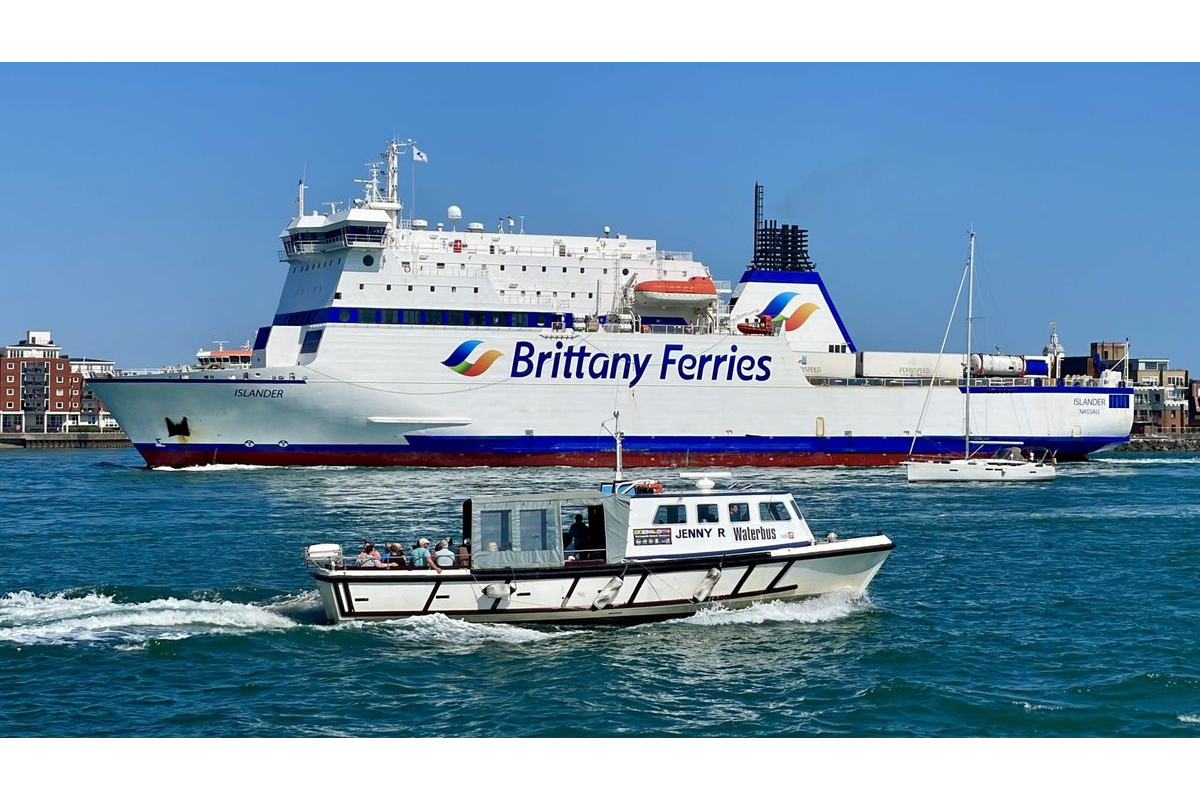
Brittany Ferries, which has been operating freight and passenger services between France and the United Kingdom for over 50 years, has announced a restructuring of its operations due to an increasing financial burden.
According to sea-news.az citing Seanews.az, the company stated that it expects additional costs of approximately £27 million ($36 million) in 2026, stemming from the European Union’s Emissions Trading System (ETS), tax obligations, and the repayment of loans taken during the COVID-19 pandemic.
The company reports that the EU ETS, which has included maritime transport since 2024, has significantly increased the financial pressure on the shipping sector. Brittany Ferries notes that although it has modernized its fleet—including the introduction of two new LNG-electric hybrid ferries in 2025—to possess the “greenest fleet” in the English Channel, it has received no concessions or subsidies for these investments.
The company also emphasized that the United Kingdom’s implementation of its own emissions trading system, effective July 1, will create further financial pressure. Furthermore, the company cited subsidized competition on Eastern Channel routes and the rising cost of living for passengers as additional factors negatively affecting its financial position.
To reduce costs, the company has decided to sell the ferry Barfleur (built in 1992) and the Cotentin (built in 2007). The Poole–Cherbourg route will be closed effective November 1, replaced by daily sailings on the Portsmouth–Cherbourg line.
The company is also considering closing the Portsmouth–Le Havre route in October. Management attributed this to government-subsidized competition on the Dieppe–Newhaven line, stating that the route is not economically viable under current conditions.
Brittany Ferries emphasized that it aims to minimize inconvenience for customers and will ensure refunds where necessary, but stressed that adapting to the changing economic climate is inevitable.



