



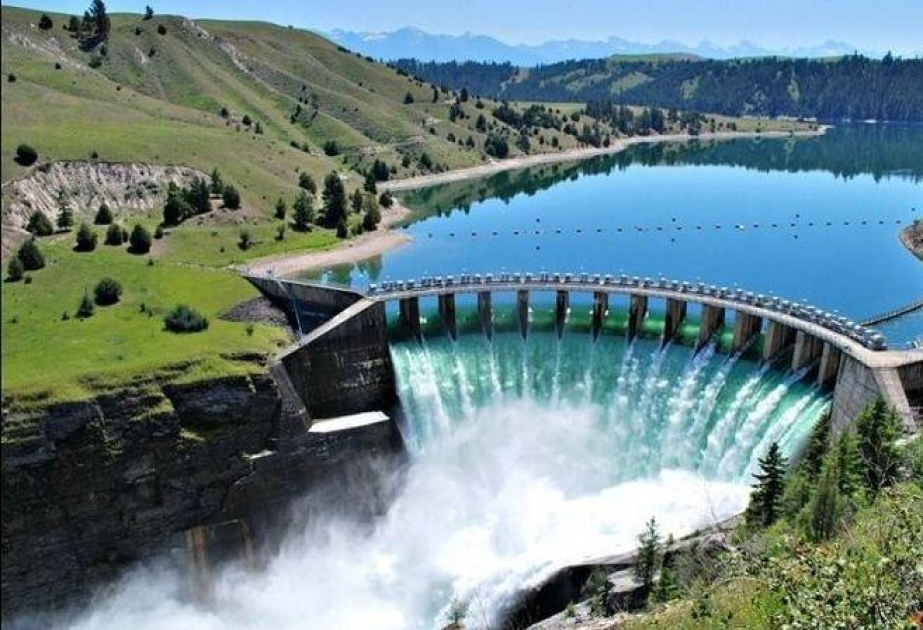
The total global installed capacity of hydropower plants (HPP) reached 1,469 gigawatts (GW) by the end of last year. With this, hydropower has further solidified its leading position in renewable energy generation worldwide.
According to sea-news.az this was stated in the annual report published by the International Hydropower Association (IHA). According to the document, the hydropower sector has entered a new strategic era toward ensuring energy security and sovereignty.
A Turning Point for Pumped Storage Plants
Last year was a historical turning point, particularly for Pumped Storage Hydropower (PSH) projects. Global PSH capacity crossed the 200 GW threshold for the first time, rising to 201 GW. Out of the total 28 GW of new capacity commissioned during the year, 11.7 GW was contributed specifically by PSH projects, marking the highest annual growth rate ever recorded in this field. Meanwhile, the global capacity of conventional hydropower plants currently stands at 1,269 GW.
During the reporting period, a total of 4,095 terawatt-hours of electricity was generated in the hydropower sector, meeting approximately 14 percent of global demand. This volume is equal to the combined global generation capacity of wind and solar energy. Thanks to the active utilization of hydropower plants, the release of 2.2 billion tons of carbon dioxide emissions into the atmosphere per year was prevented. Currently, the total capacity of the global project pipeline stands at 1,127 GW, with construction continuing on more than 400 GW.
Data Centers and Grid Flexibility
Although storage capacities are expected to double over the next 10 years, the rapidly growing energy needs of data centers are creating a new growth market for this sector. Specifically, global data center consumption, which was 415 terawatt-hours in 2024, is projected to reach 945 terawatt-hours in 2030. Providing continuous and low-carbon energy, hydropower plays a critical role in meeting this demand. HPPs are no longer just energy sources; they are becoming the stability centers of modern grids through their frequency and voltage regulation capabilities.
Leading Countries in the Global Ranking
China maintained its absolute global leadership by adding 4.7 GW of conventional and 7.5 GW of pumped storage capacity to its system last year. Ethiopia became home to Africa’s largest power plant with the 5.15 GW “Grand Ethiopian Renaissance Dam” project. India increased its installed capacity by 4.2 GW, surpassing Russia to become the world’s 5th largest hydropower power.
On the European continent, Norway maintains its top position with 34 GW of installed capacity. The top five in the overall global ranking are occupied by China, Brazil, the United States, Canada, and India, respectively.



