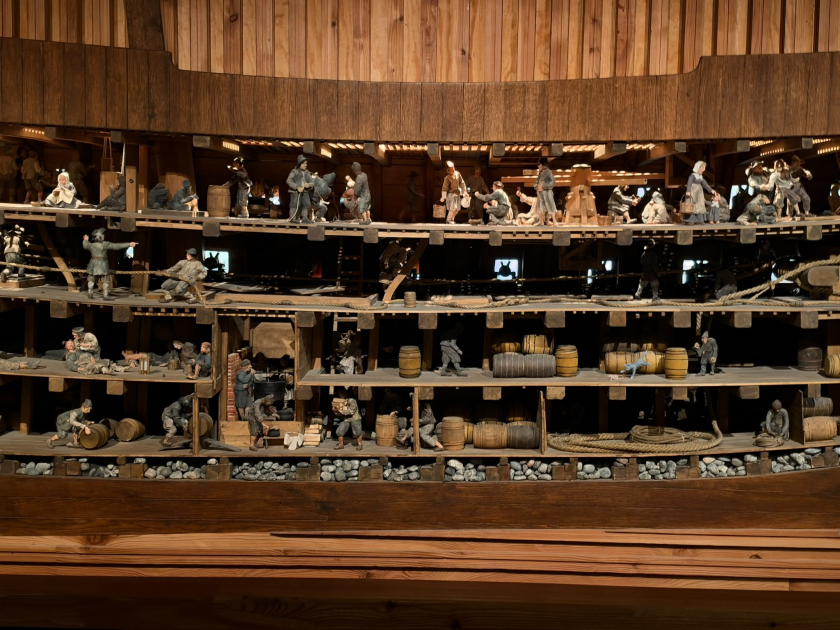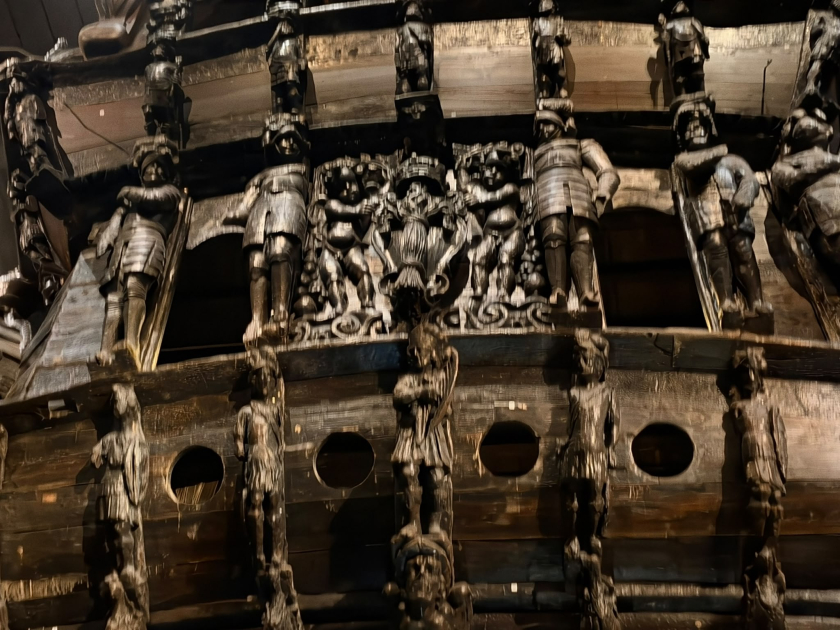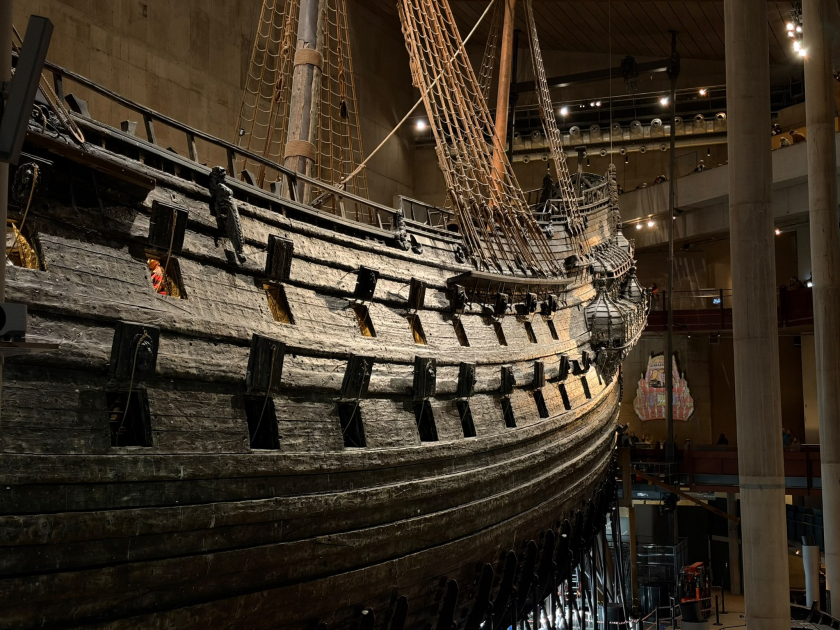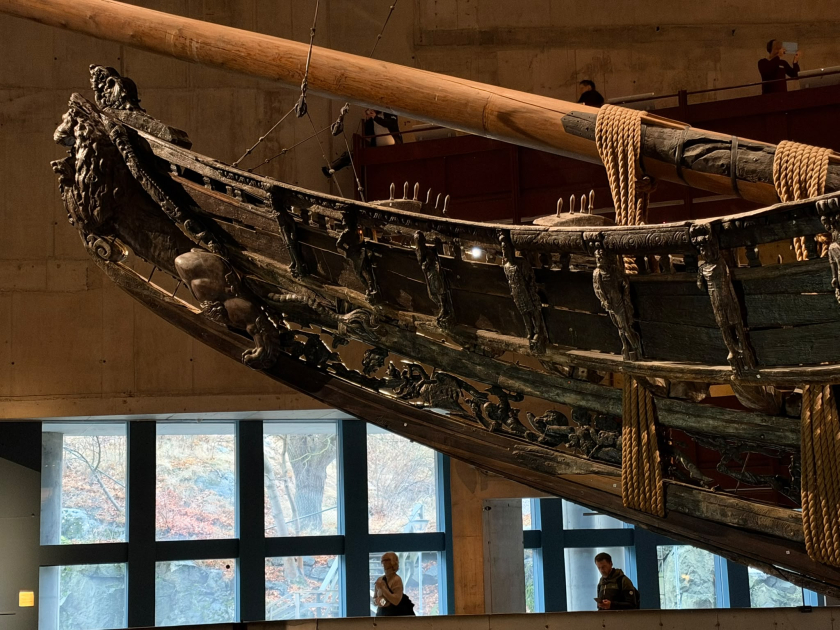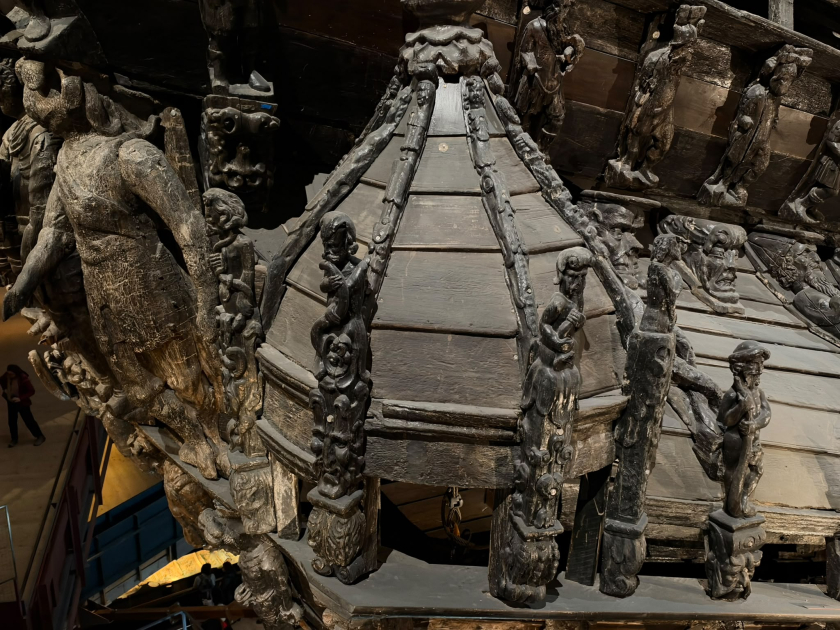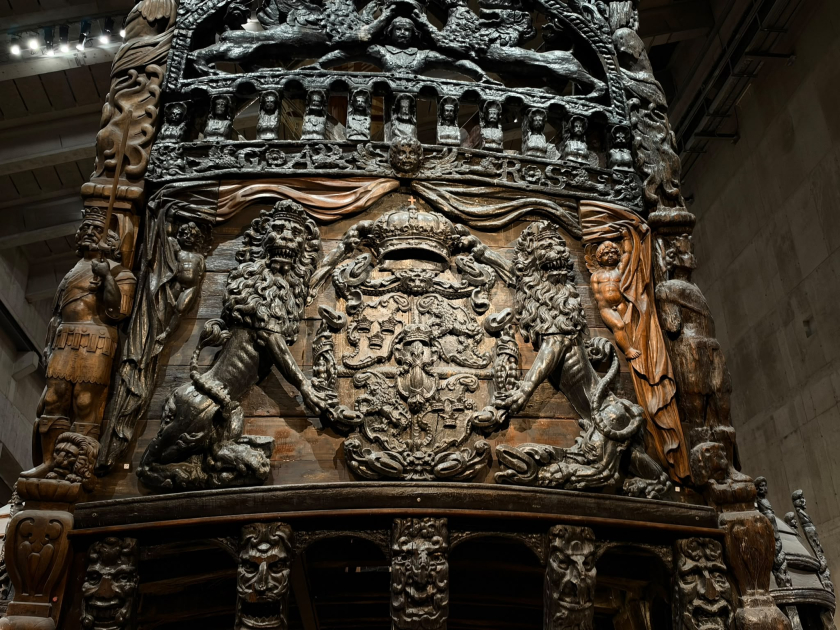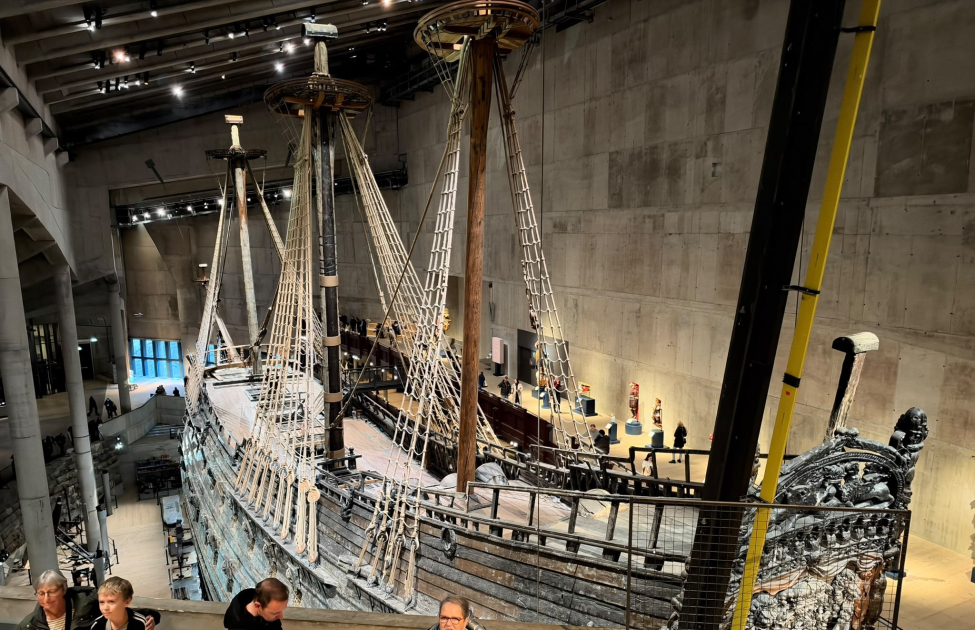
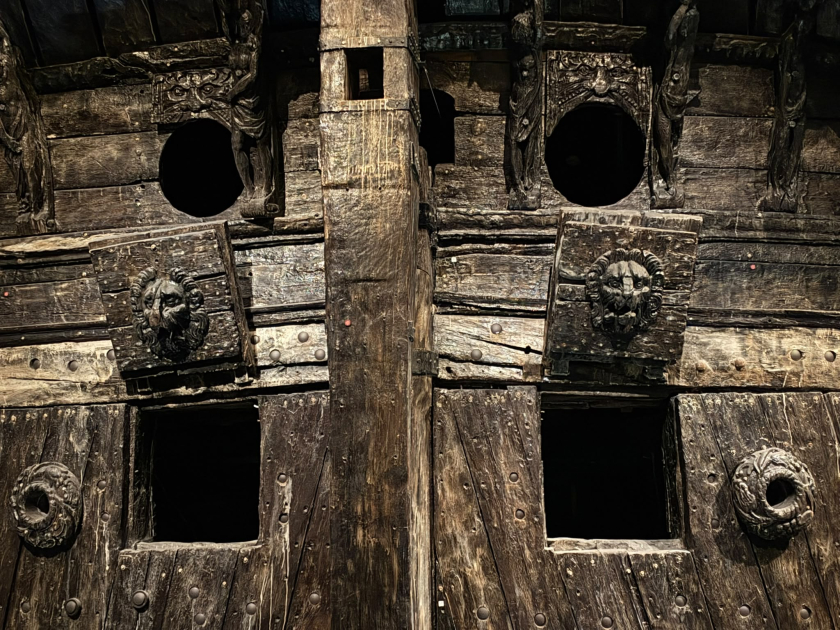
Sea-news.az reports citing AZERTAC, that the warship “Vasa,” whose construction began in 1625 by Dutch master shipwright Henrik Hybertsson on the orders of Swedish King Gustav II Adolf, was considered the most powerful and lavish vessel of its era when it set out on its maiden voyage from the port of Stockholm on August 10, 1628. However, after sailing just 1,300 meters, a light breeze caused the massive ship to heel over. Water rushing in through the open lower gunports sank the “Vasa” within minutes to the bottom of Stockholm Harbor—at a depth of 32 meters. As a result of the disaster, more than 30 of the approximately 150 people on board lost their lives.
Primary Causes of the Sinking:
- Design Alterations and High Center of Gravity: During construction, King Gustav II Adolf altered the specifications so the ship would appear more imposing, ordering the addition of a second gundeck and 64 heavy bronze cannons. The underwater hull, however, was too narrow and shallow to counterbalance such a tall superstructure and heavy armament.
- Death of the Master Shipwright and Measurement Discrepancies: Chief builder Henrik Hybertsson fell ill and died in 1627 before the vessel’s completion, leaving his assistant to finish the project. Furthermore, Swedish and Dutch carpenters working in the shipyard used different measuring rulers (a 12-inch Swedish foot versus an 11-inch Dutch foot), resulting in structural asymmetry.
- Ignoring Failed Stability Tests: Prior to departure, a stability test overseen by Admiral Klas Fleming required 30 sailors to run back and forth across the deck. The ship rolled so violently that the test had to be halted to prevent it from capsizing in port. Despite this warning, pressure from the King—who was abroad on a military campaign—forced the decision to put the vessel to sea.
Salvaged After 333 Years:
Because the low salinity of the Baltic Sea prevents shipworms from thriving and destroying submerged timber, the “Vasa” remained remarkably intact on the seabed for 333 years. Located in 1956 by researcher Anders Franzén, the ship was raised nearly intact on April 24, 1961. Displayed today at the Vasa Museum in Stockholm with 98 percent of its original parts preserved, it stands as the world’s only fully preserved 17th-century warship.