



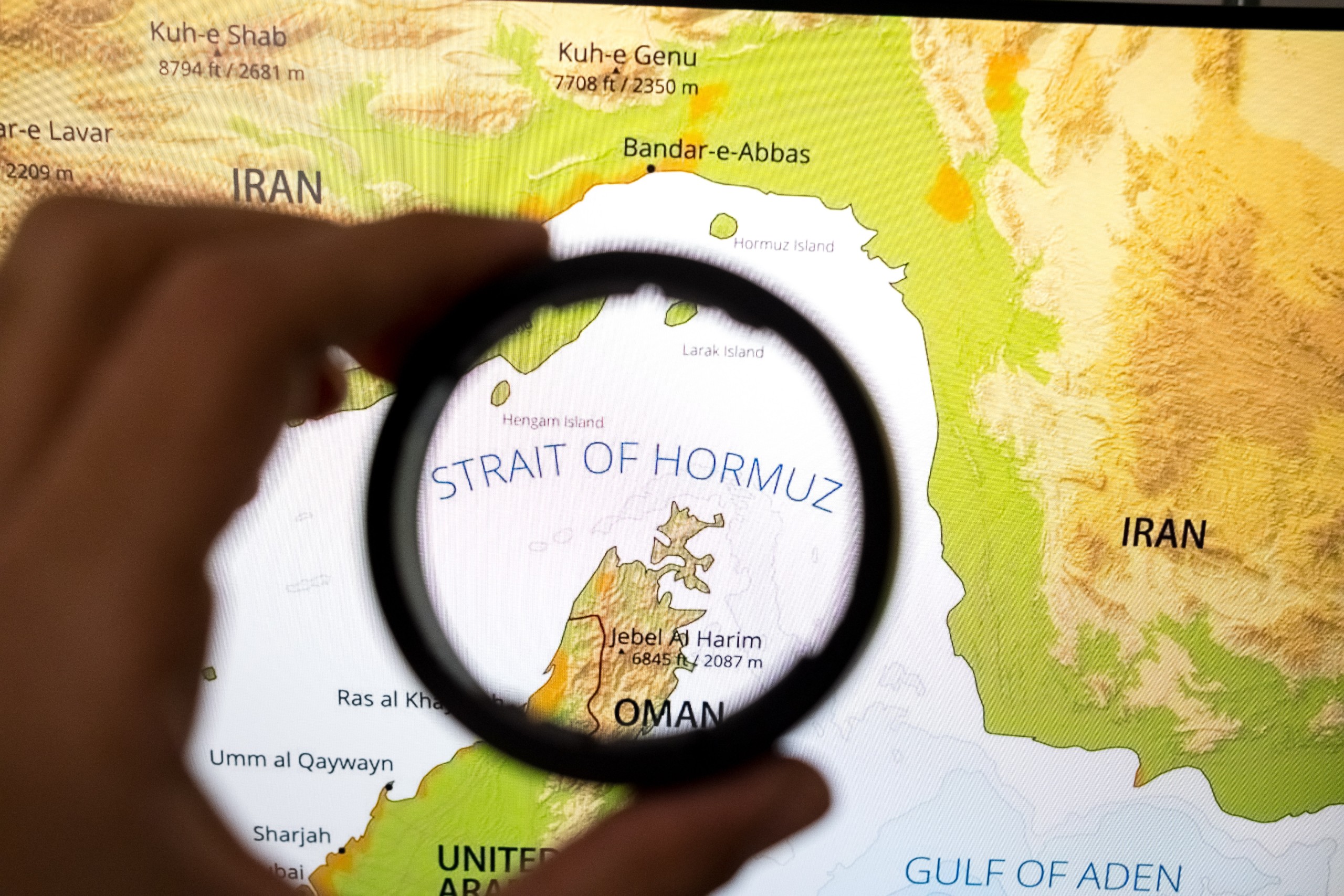
As the situation in the Strait of Hormuz and the broader region remains uncertain, the 2026 crisis could leave a lasting mark on the energy sector, elevating energy security and affordability to core principles of energy policy.
Sea-news.az reports that this is stated in a report by the International Energy Agency (IEA).
IEA Executive Director Fatih Birol stated that the crisis in the Strait of Hormuz has dealt a major blow to the energy system. According to him, while the energy sector and the global economy have demonstrated considerable resilience, the impacts will deepen the longer the crisis persists.
“Looking ahead to the period following the current turmoil, this report explores various energy futures that could emerge from today’s crisis. Its multiple scenarios and extensive analyses—none of which are forecasts—can guide countries in determining their next steps. Nations seeking to strengthen energy security must take care not to replace one dependency with another. However, an encouraging aspect is that energy security and the energy transition are more closely intertwined today than ever before,” F. Birol noted.
Diversifying supply sources could also reshape existing energy trade models. According to the report, under a scenario where severe shipping risks in the Strait of Hormuz persist over an extended period, investments in new alternative pipelines, the development of other supply sources, and demand-reduction measures by importing countries could reduce daily oil flows through the strait from the pre-crisis level of 20 million barrels to 8.5 million barrels in 2030, and below 2 million barrels by 2035.
Nevertheless, even under such an extreme scenario, the Middle East will remain the largest oil-exporting region to international markets, underscoring its continued pivotal role in global energy security. The longer uncertainty lingers regarding the duration and outcomes of the Middle East conflict, as well as its impact on energy flows through the Strait of Hormuz, the more likely governments are to turn new approaches toward diversification, domestic resource utilization, and electrification into long-term state policy. This year’s report also includes a dedicated scenario examining how this trend might evolve compared to baseline scenarios.
The report also examines potential shifts in oil and natural gas markets should the Middle East conflict reach a full resolution, noting that such an outcome could reveal conflicting market trends. Global oil and natural gas supplies could increase substantially, particularly as delayed new volumes of liquefied natural gas (LNG) enter the market. Consequently, supply could outpace demand in oil and gas markets, intensifying downward pressure on prices despite inventory replenishment. Meanwhile, structural shifts in demand—driven especially by accelerating electrification—could shape the long-term outlook for both fuels.


