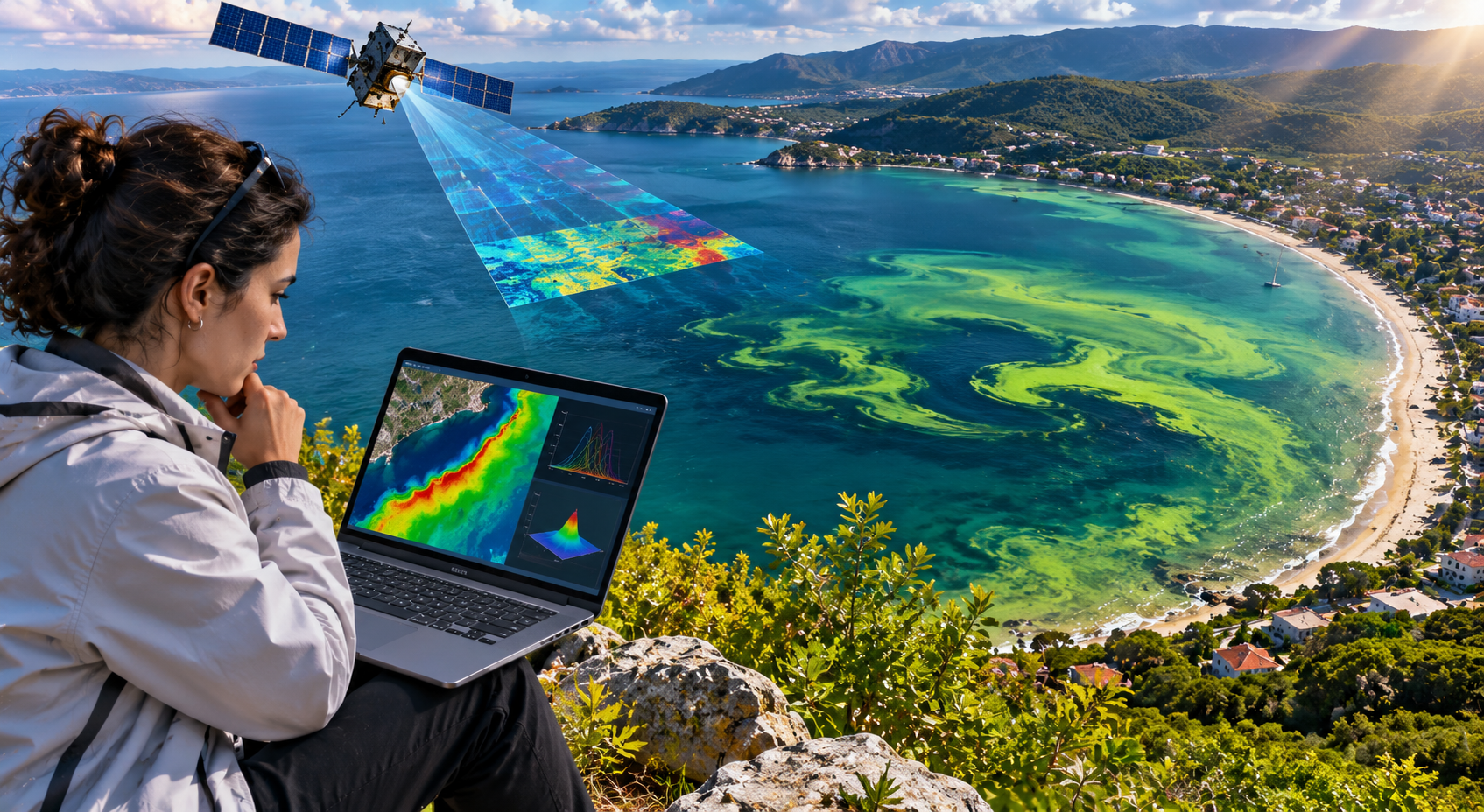
Şebnem Karslı, a doctoral candidate at Turkey’s Gebze Technical University, will present an artificial intelligence model she developed to address the problem of algal blooms in water bodies at the ongoing 31st session of the Conference of the Parties to the UN Framework Convention on Climate Change (COP31) in Antalya.
According to sea-news.az the scientist stated in an interview with AZERTAC that microscopic algae, which proliferate as a result of excessive increases in nitrogen and phosphorus levels in the water in particular, pose serious threats to ecology, water quality, and marine life.
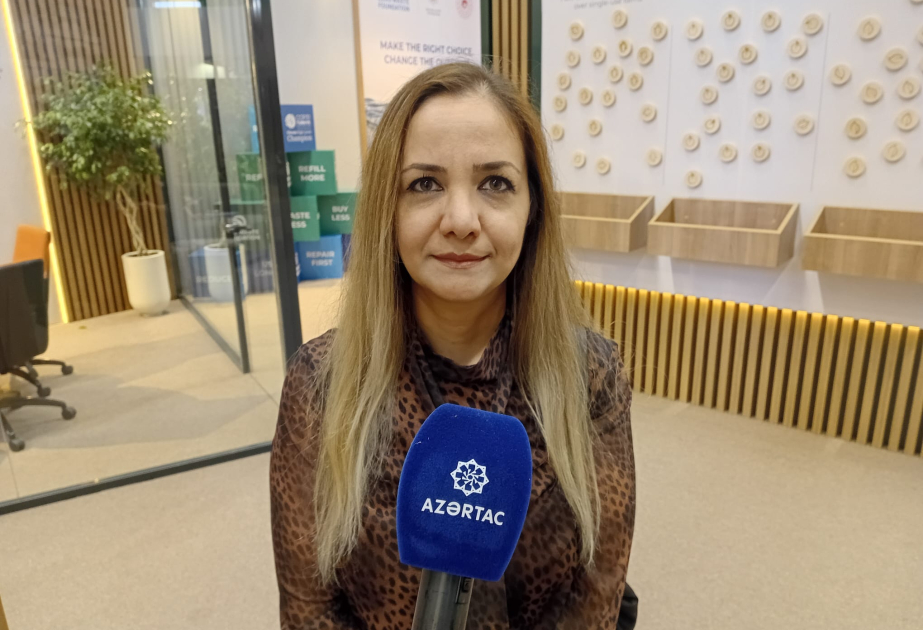
“Climate change is amplifying the scale of the algal bloom problem. It is impossible to analyze this threat across all water bodies or establish laboratories everywhere. The model I developed allows for the map-based analysis of imagery obtained from the Sentinel-2 satellite using various indices, enabling machine learning through artificial intelligence,” Ş. Karslı stated.
The new model, to be presented to COP31 participants, will predict in advance which water bodies will experience algal bloom issues and during what periods. Consequently, fishermen will be prepared, and appropriate beach closures can also be enforced.
According to her, water bodies from all continents, as well as Turkey’s Lake Burdur and the Gulf of İzmir, are currently included in the model.
Work on the model will be fully completed in February–March 2027 and published as an article in a scientific journal.