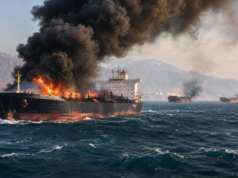
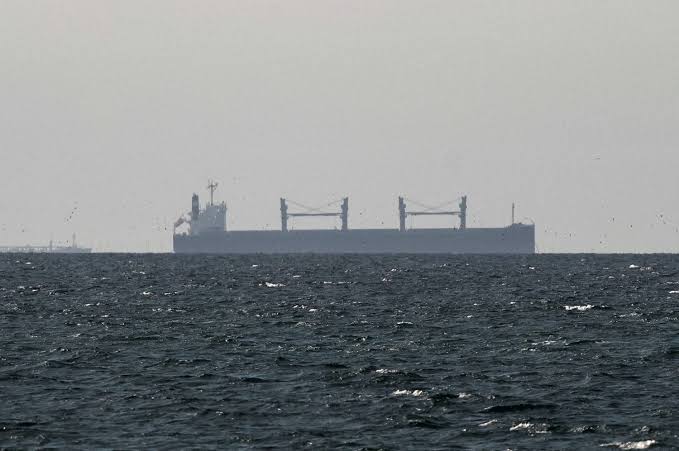
October has emerged as the most critical period for attacks on commercial shipping in the Strait of Hormuz and surrounding waters since 2017.
Sea-news.az reports citing foreign media, that the U.S.–Iran war that broke out in February has transformed the Strait of Hormuz—a vital gateway accounting for nearly a fifth of global energy supplies—into the primary epicenter of the conflict. Following Iranian strikes on tankers around the strait, Brent crude prices surged past $117 per barrel last week, registering their highest level since April.
However, oil prices retreated early this week as surging hopes for an end to the U.S.–Iran conflict eased supply disruption anxieties. Nevertheless, persistent attacks against Saudi Arabia continue to undermine expectations of regional stability, keeping Brent benchmarks near six-month highs.
Against the backdrop of these developments, officials from Saudi Arabia, Türkiye, and Pakistan held talks with Iranian representatives in Tehran on Monday aimed at de-escalating tensions across the Middle East. Saudi Arabia stated that the visit aimed to establish transparent communication channels to prevent a fresh escalation of military action. According to Iranian state media, the four nations agreed to sustain dialogue to bolster regional peace and security cooperation.
Optimism over a potential conflict resolution reduced the likelihood of supply interruptions, weighing on oil prices. However, the renewed intensification of Houthi strikes on Saudi Arabia underscores the fragility of peace prospects, putting a floor under further price declines.
On another front, Russian oil refineries are scaling up diesel fuel production in October. This move is attributed to the government approving export quotas following a supply-related understanding reached between the Kremlin and the United States. Sources indicate that the production boost is directly connected to this regulatory adjustment.